
CVV Faculty Explore Values, AI and New Age Assessment
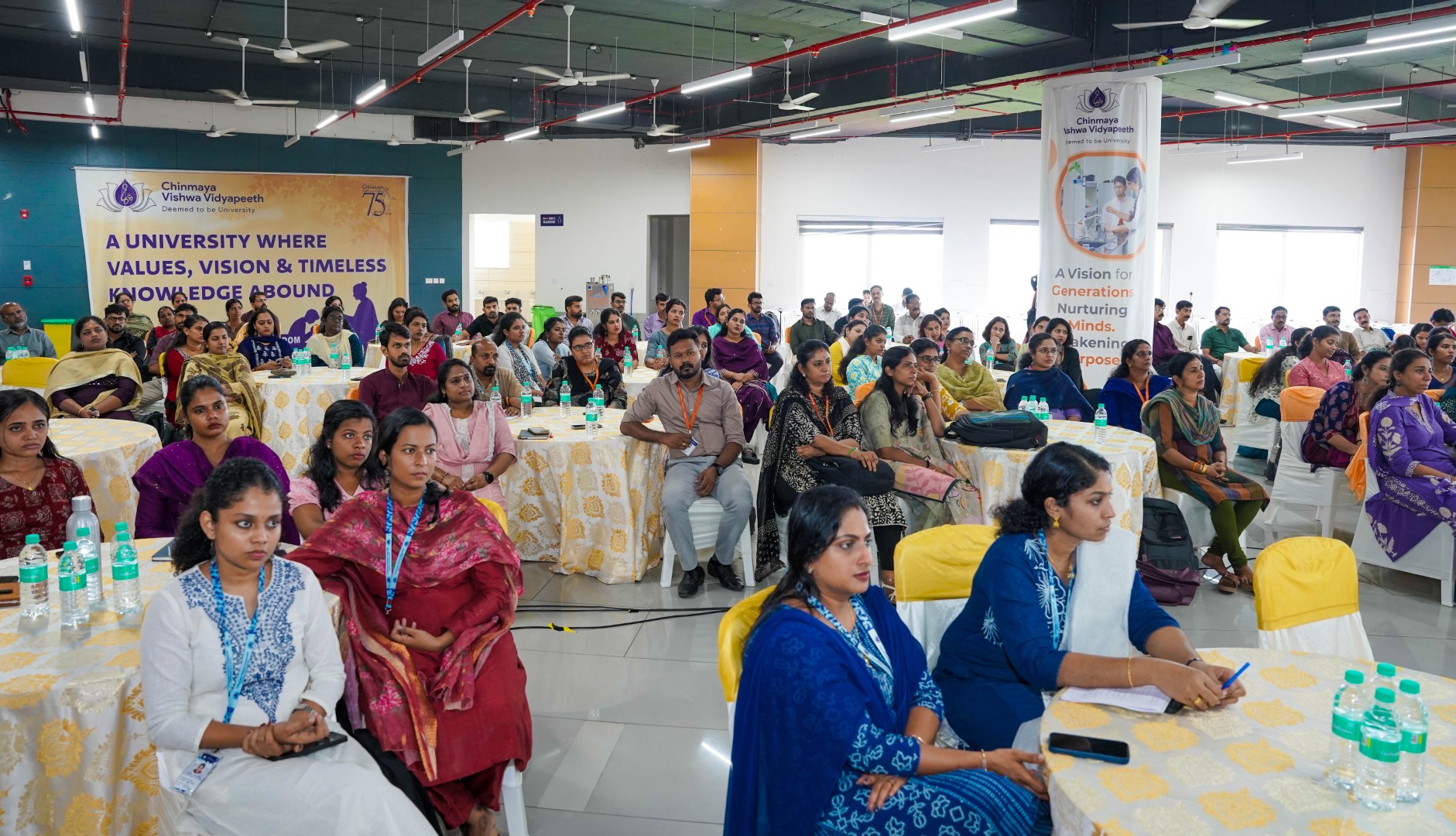
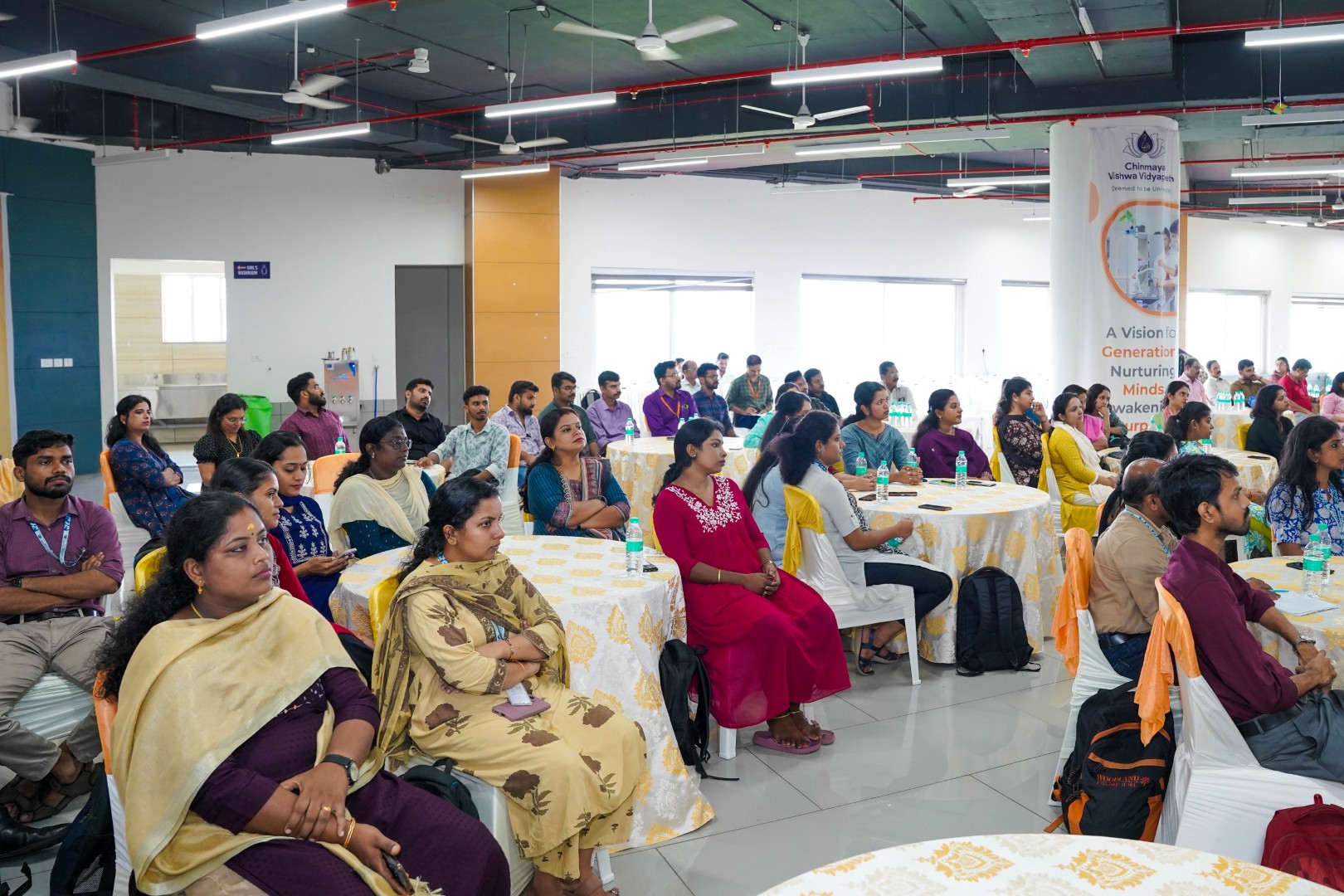
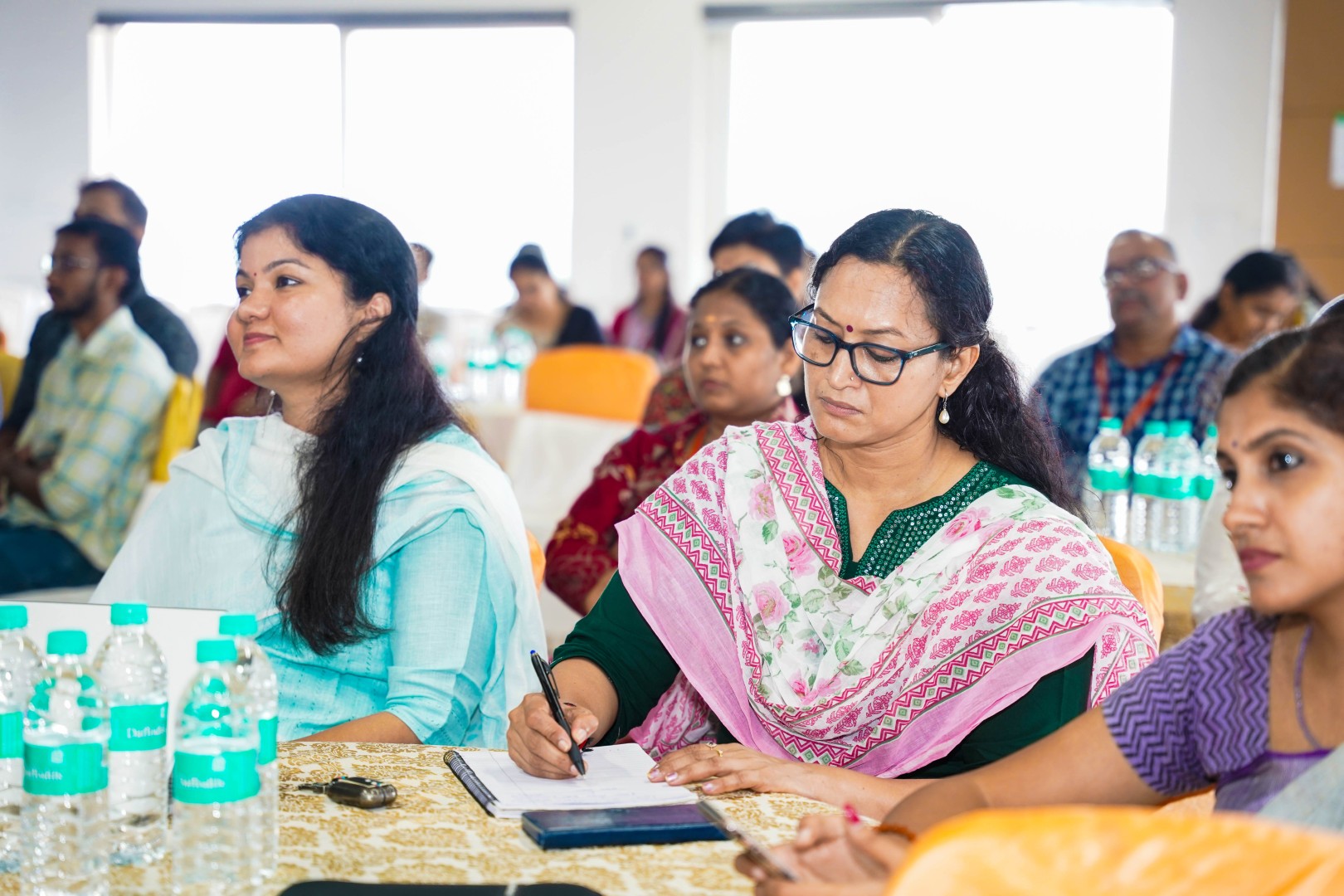
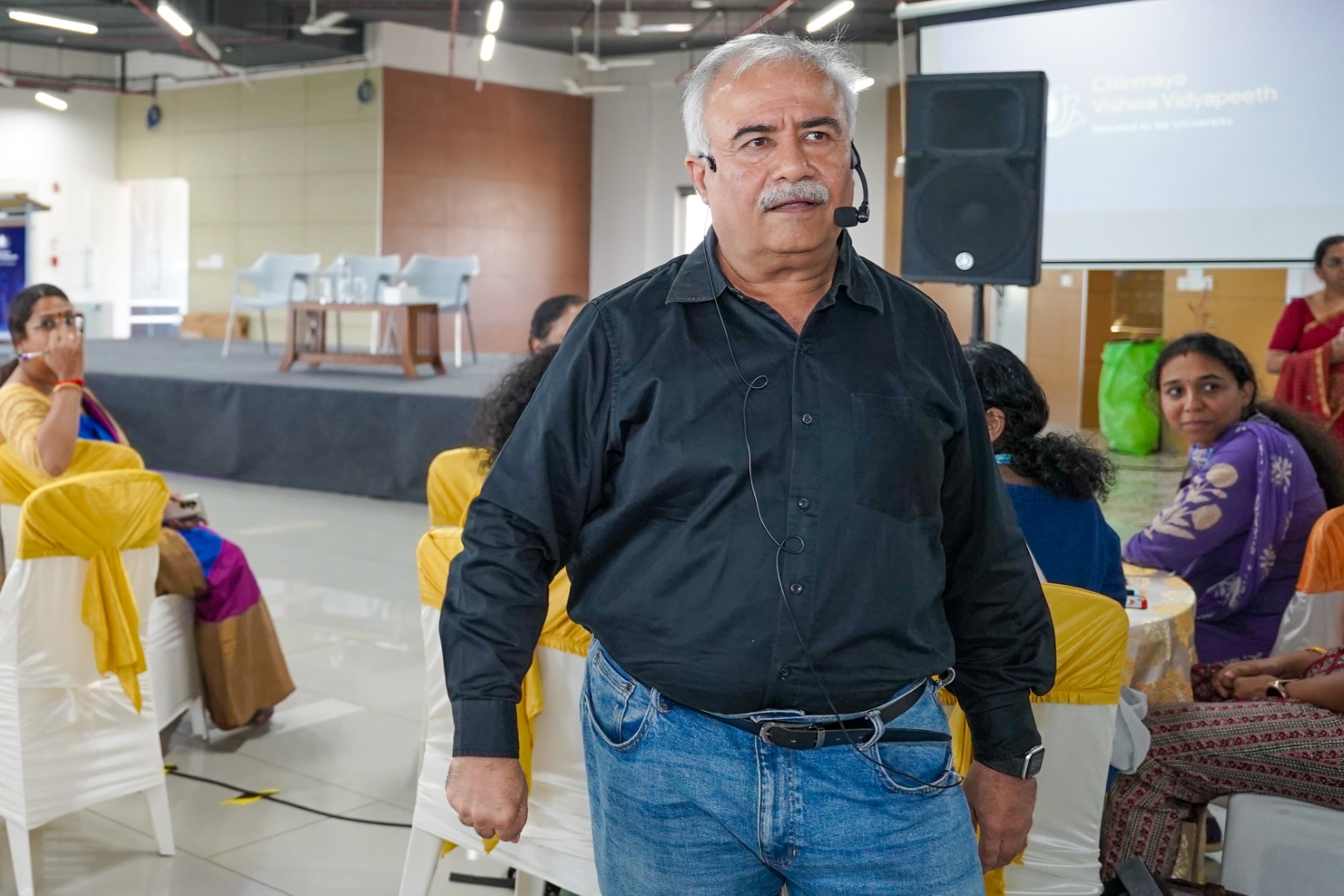
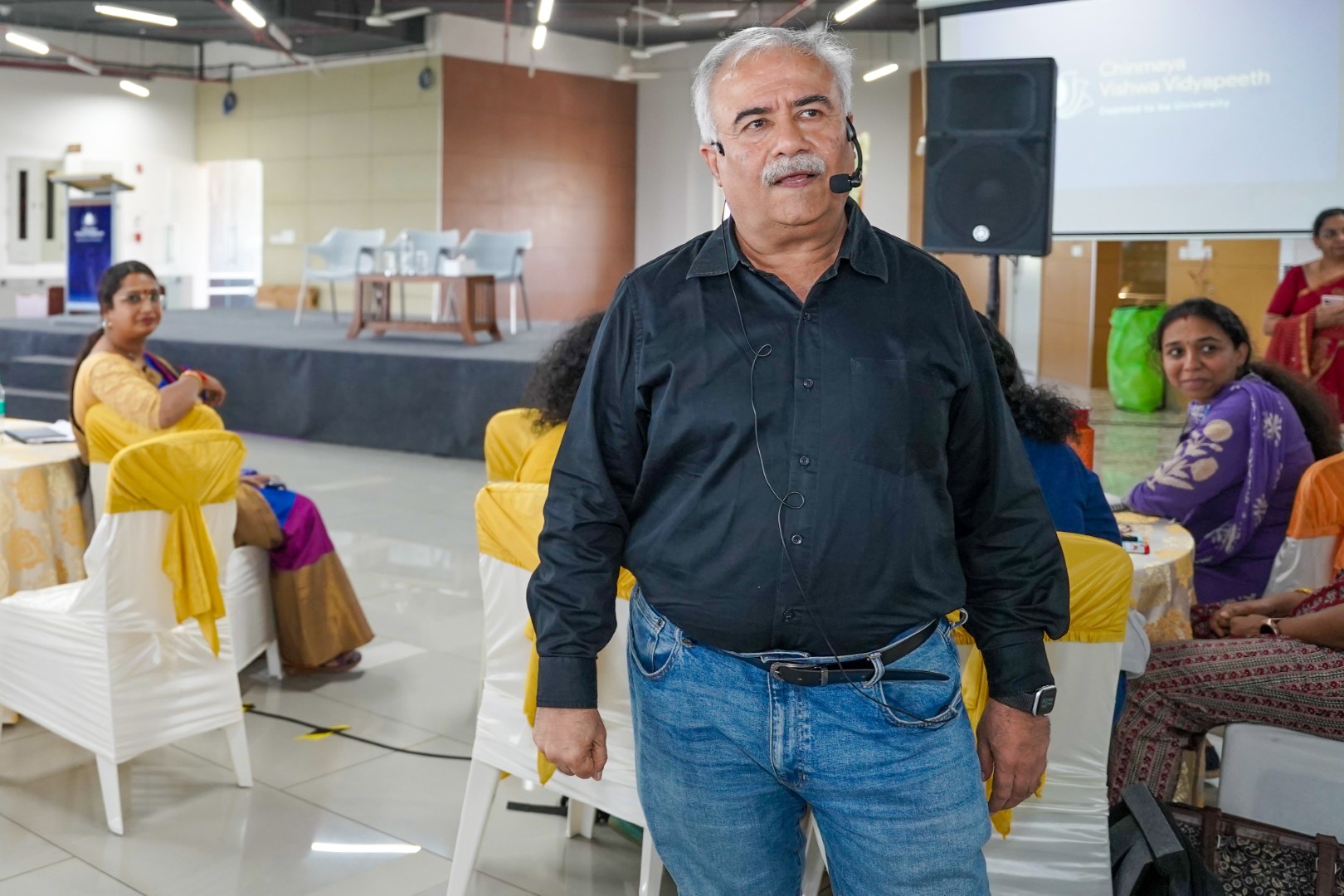
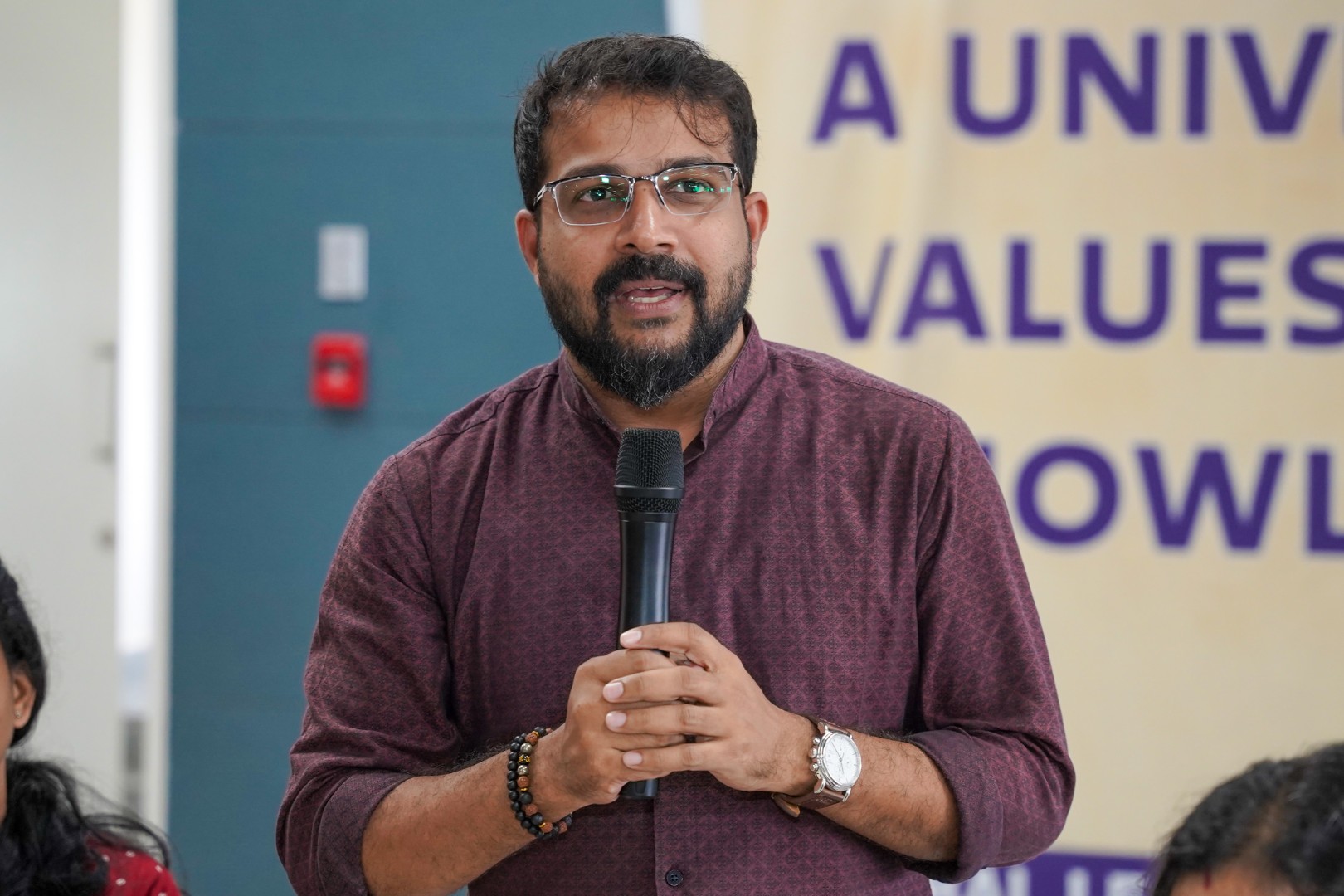
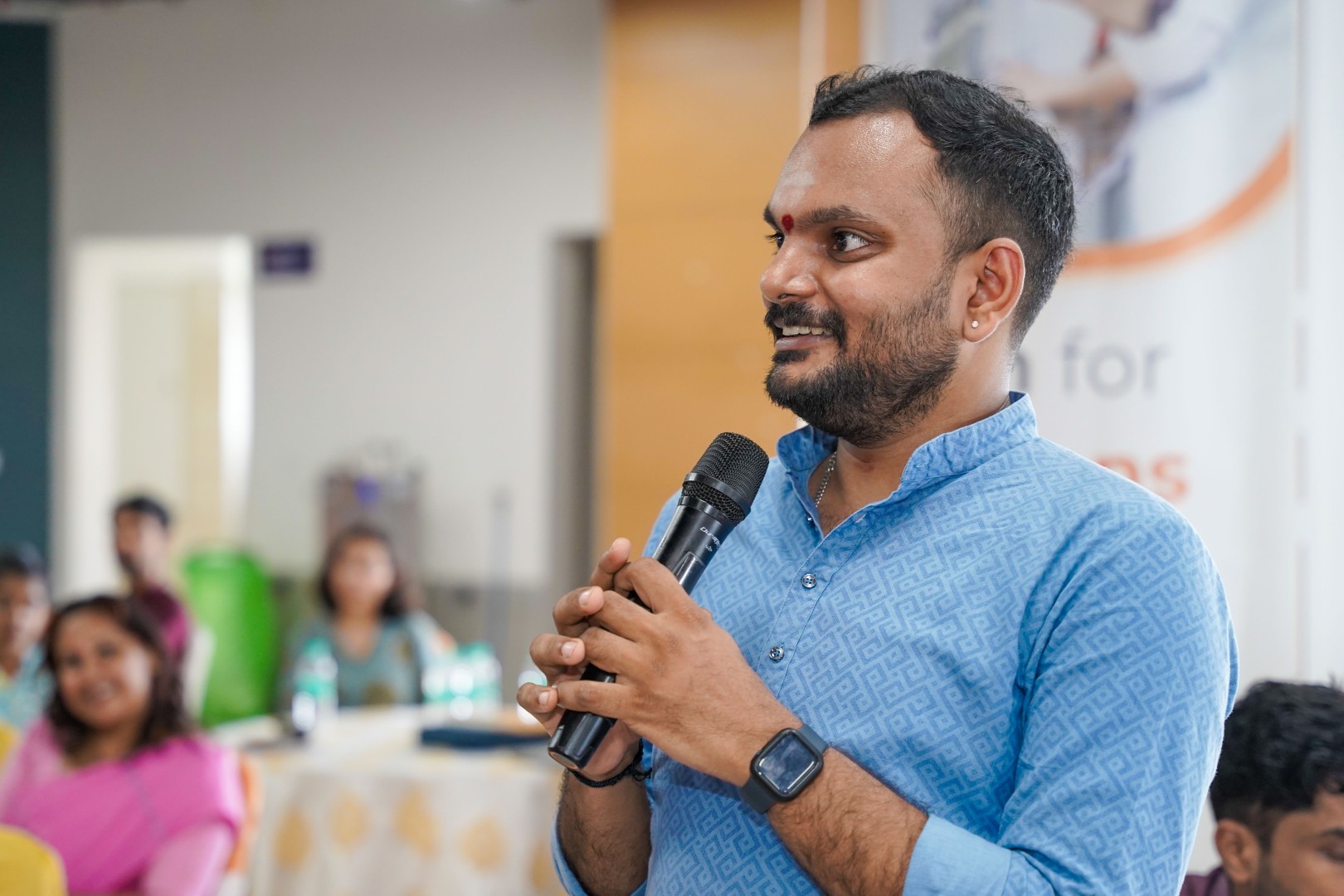
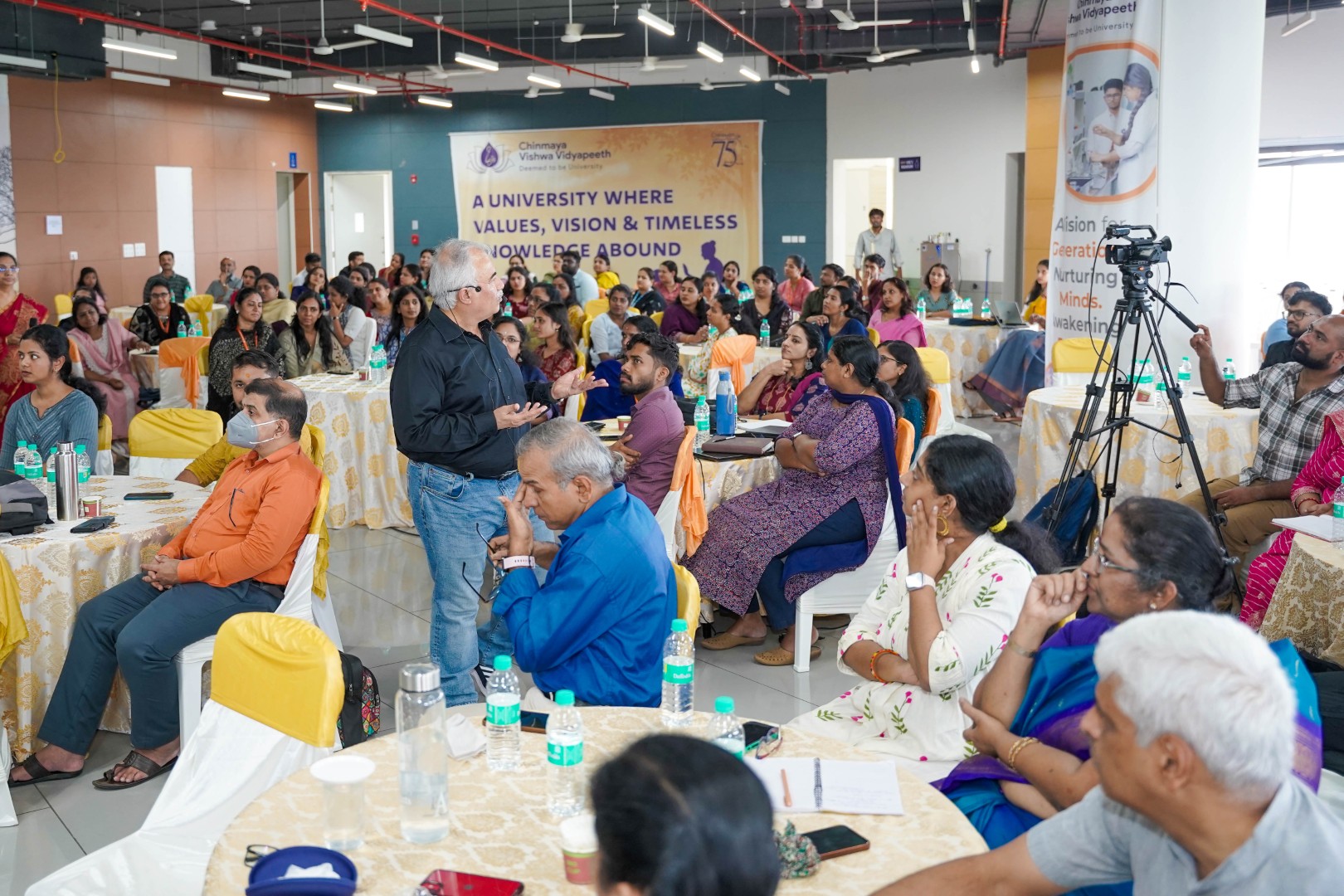
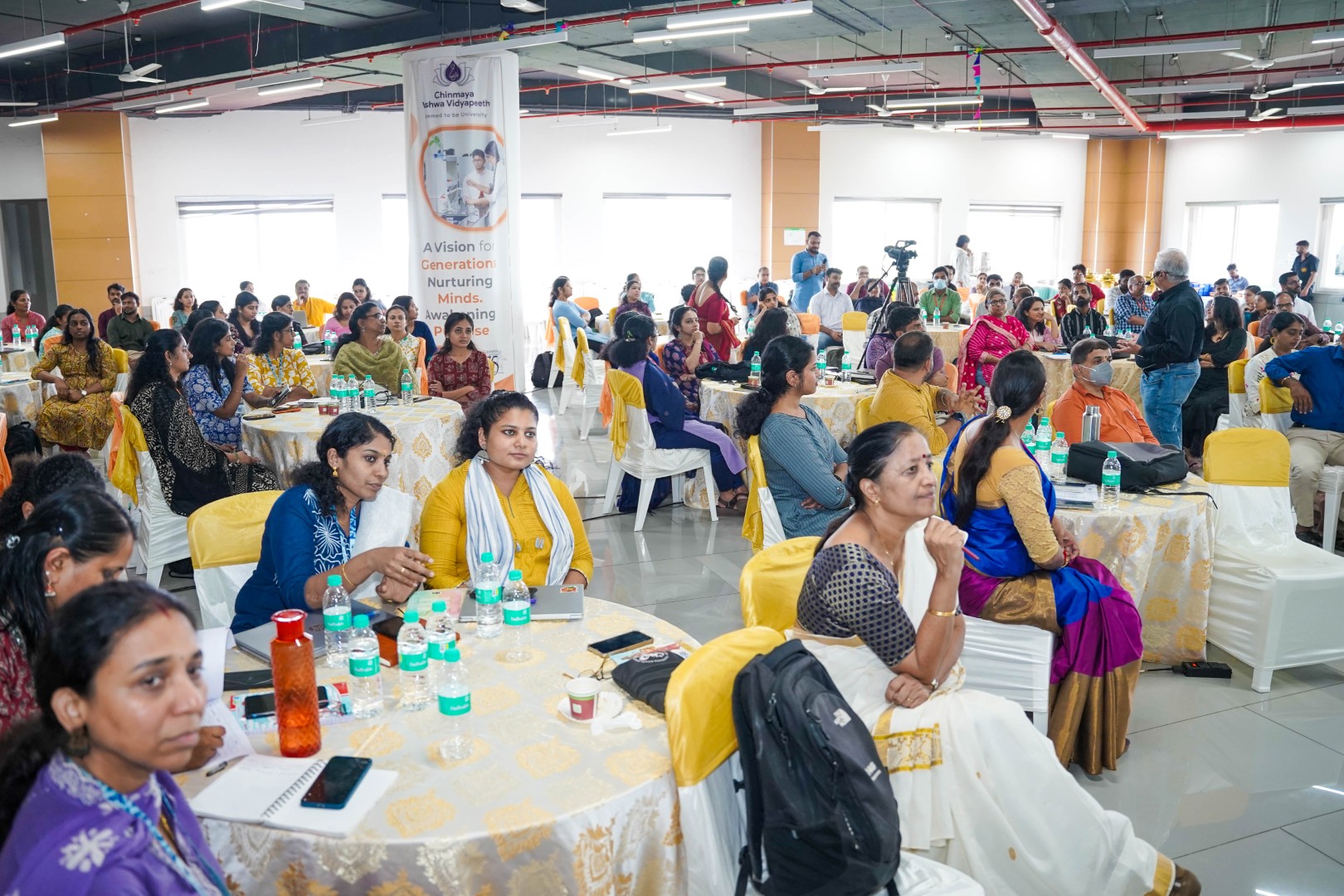
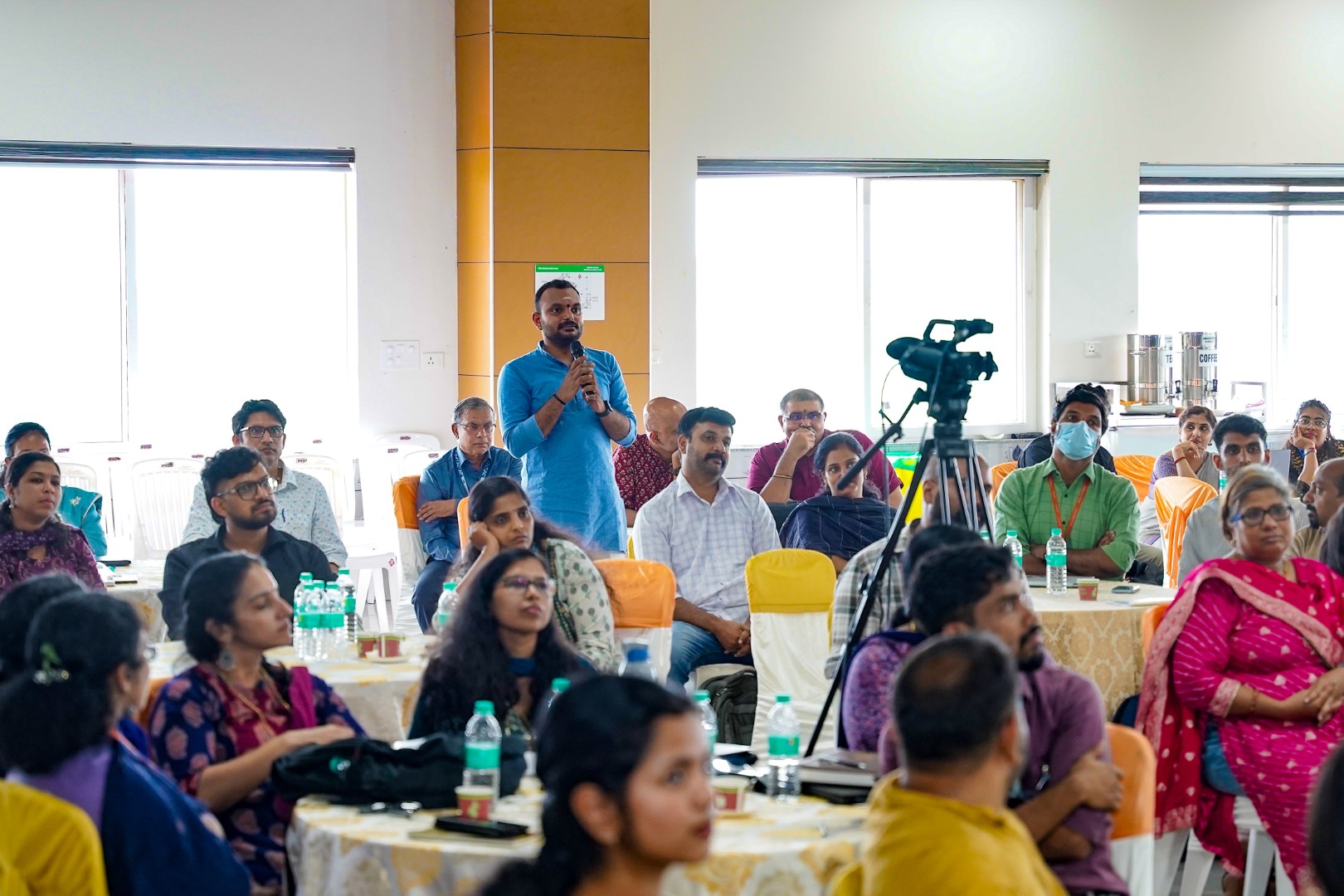
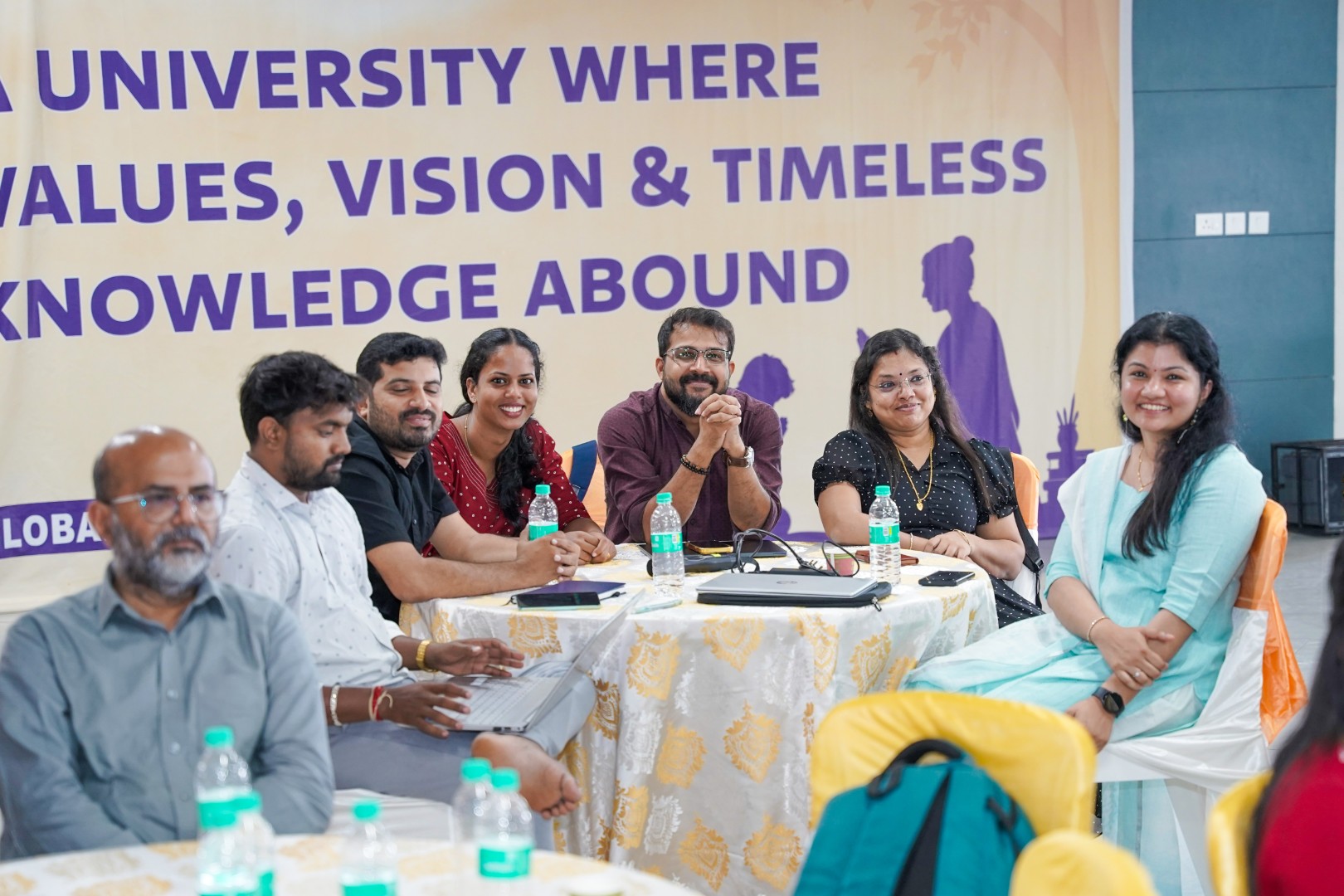
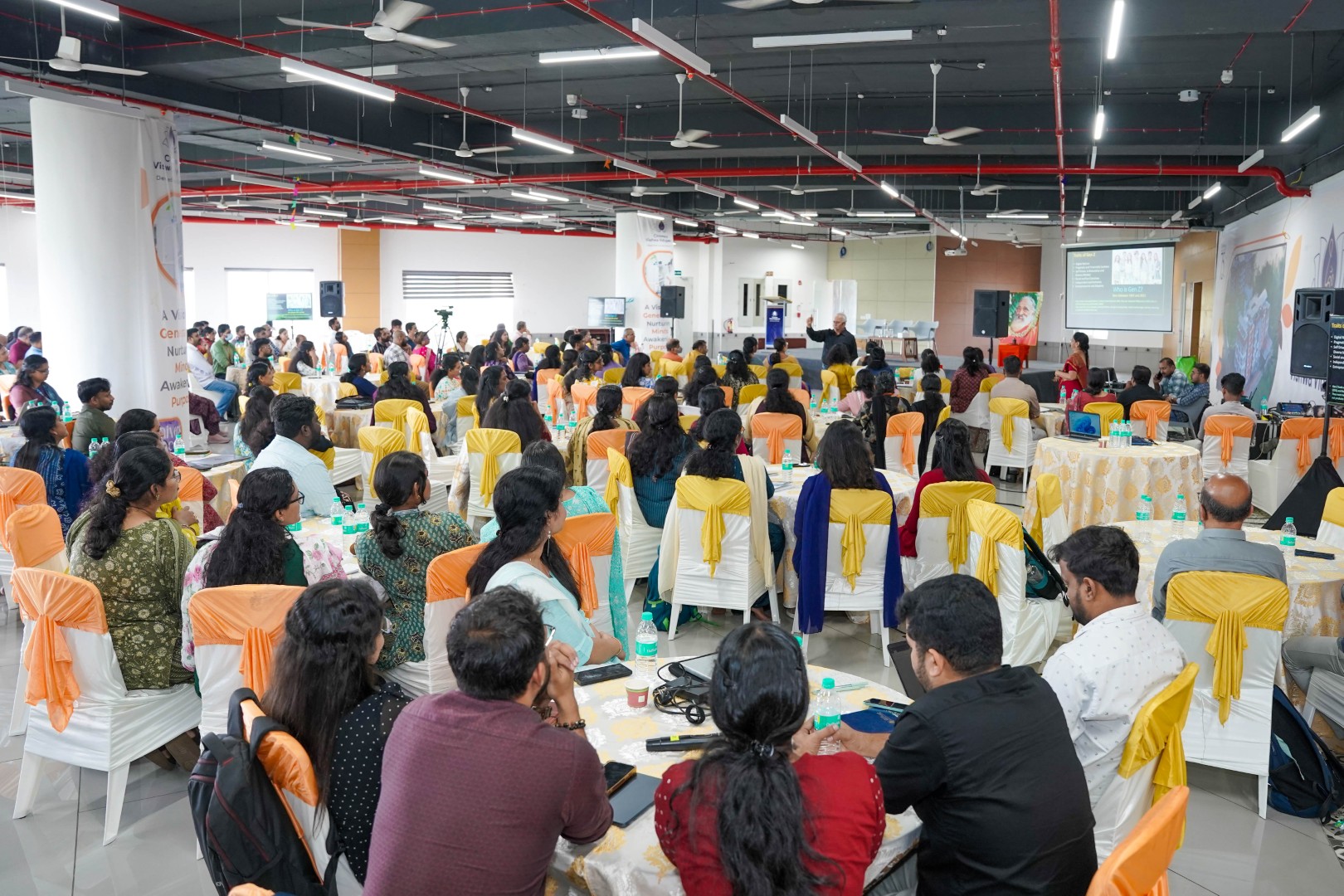
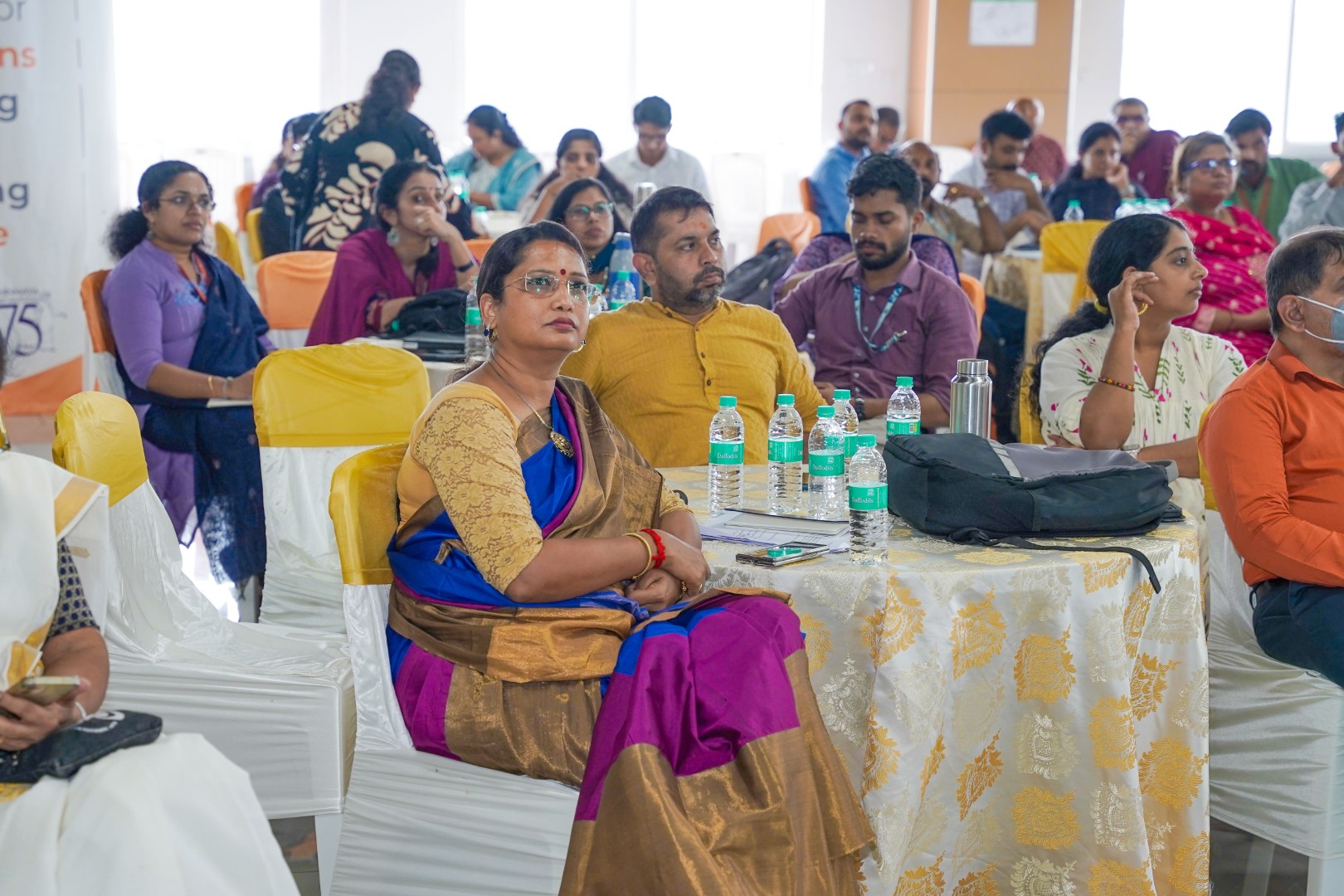
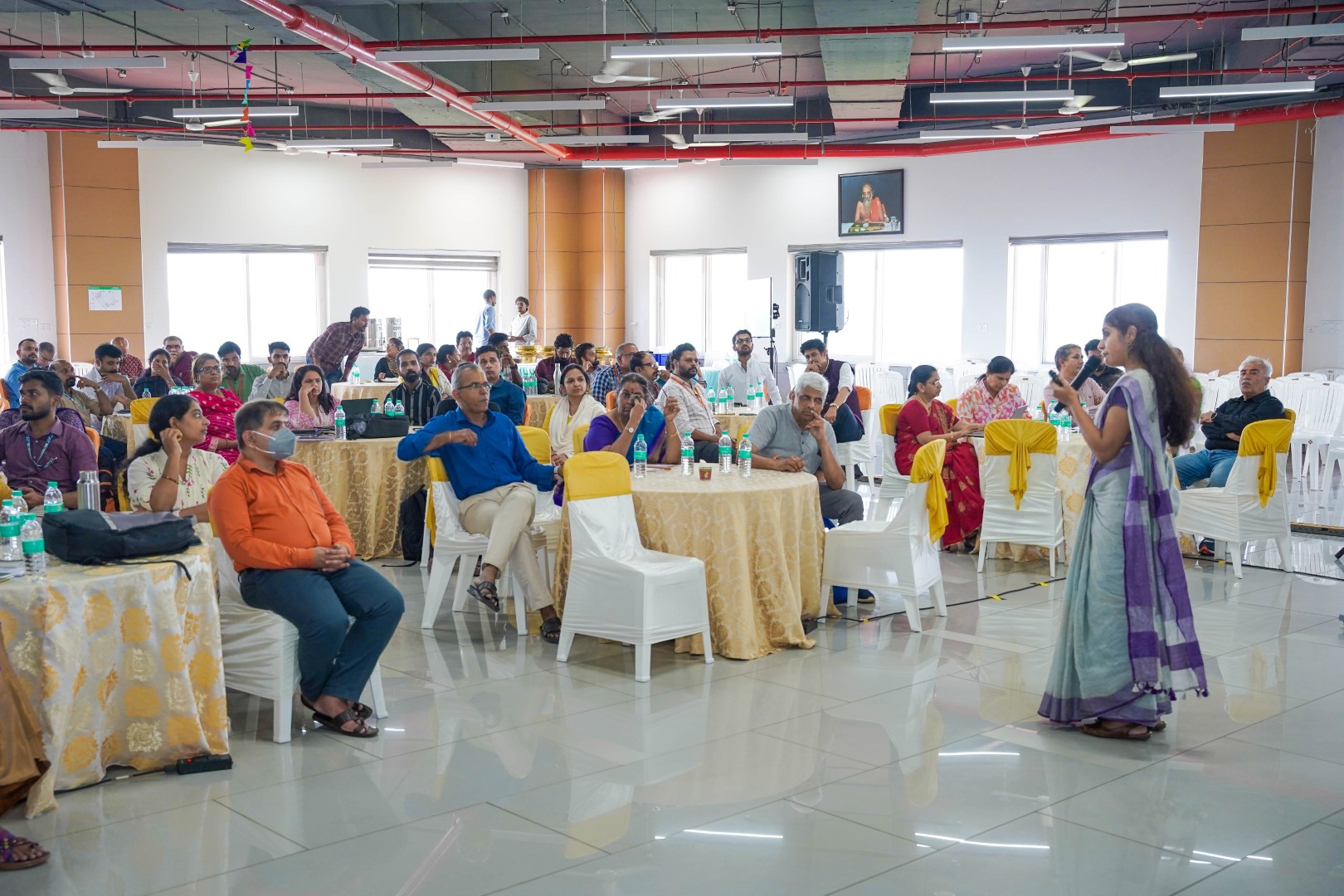
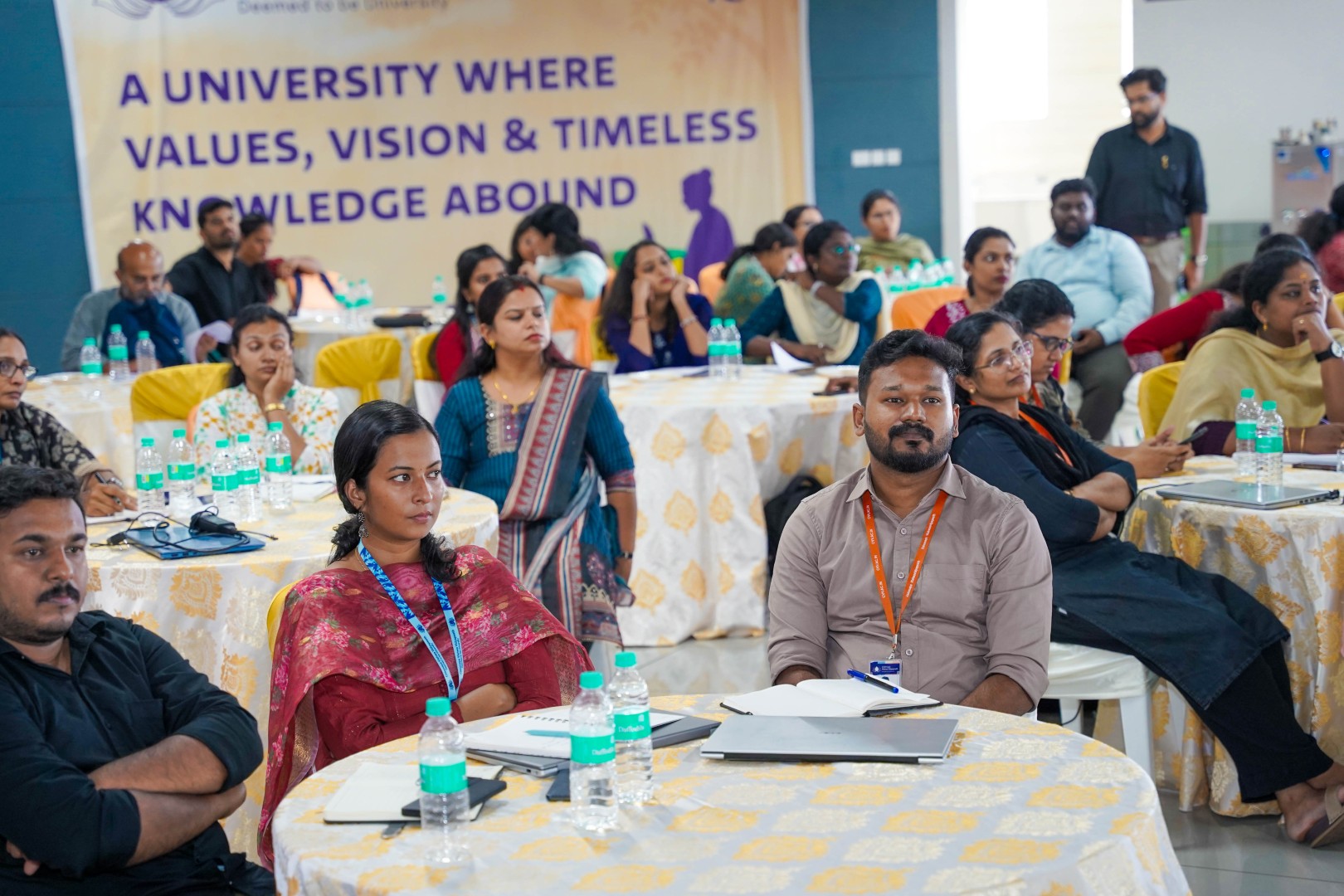
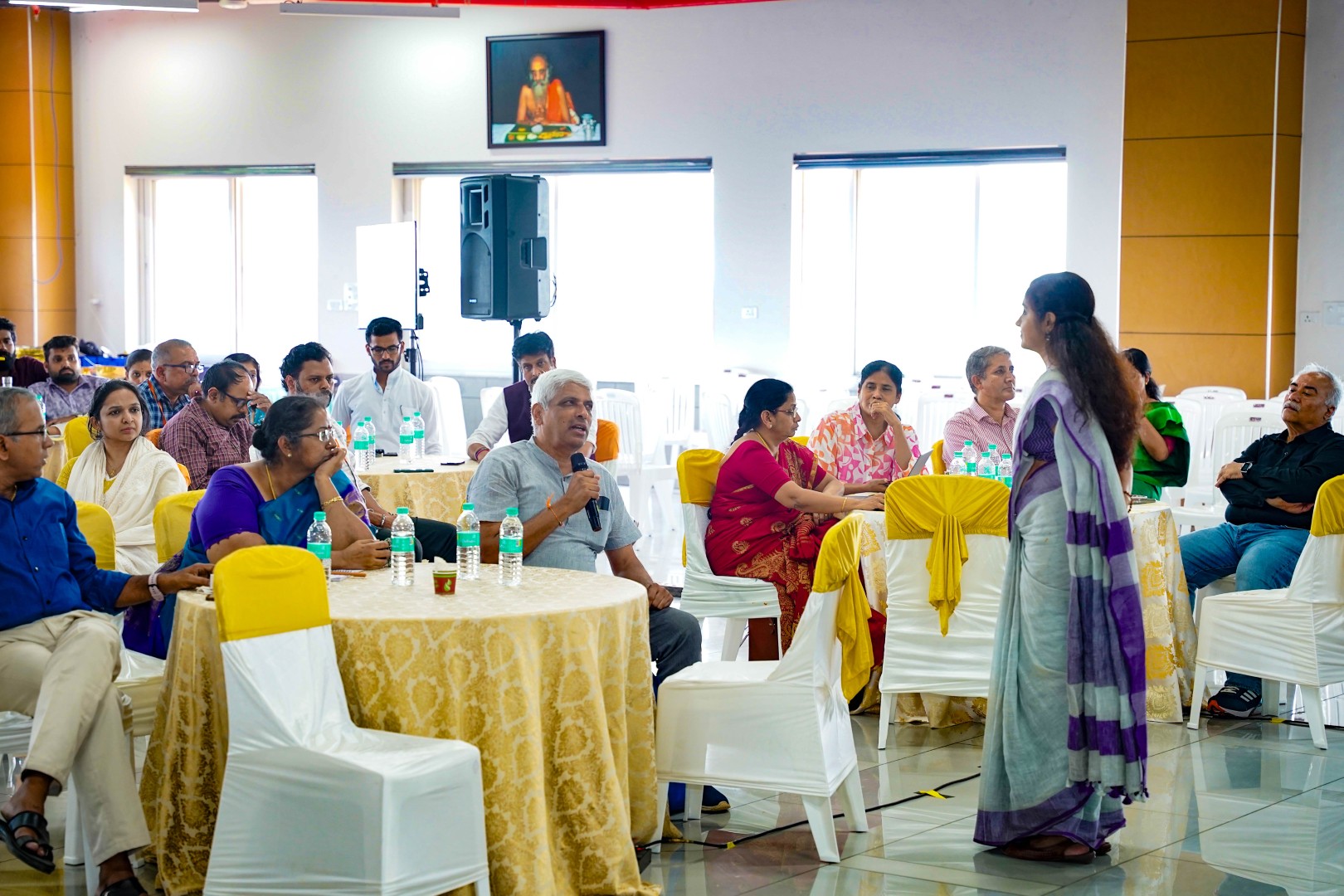
From Gita Panchamrit to Course Outcomes to Responsible Teaching Practice, Chinmaya Vishwa Vidyapeeth hosted a Faculty and Staff Development Programme (FSDP) cum Faculty Orientation Programme (FOP) on September 26, 2026, bringing faculty and staff together to reflect on values, technology and the future of teaching and assessment.
The programme was attended by Vice Chancellor Prof. Manoj Kumar Arora; Prof. Dr. Anuradha Parasar, Dean, Academic Affairs; Br. Dr. Ved Chaitanya; Dr. Abha Mohan, Associate Dean, UG and PG Programmes; Dr. Raisun Mathew, Assistant Dean, Doctoral Programmes; Dr. Anand H S, Associate Dean, STEM; and Dr. Pramod Dinakar, Associate Professor, School of EGCS.
The forenoon FSDP session was led by Br. Dr. Ved Chaitanya, who guided faculty and staff through the Gita Panchamrit shlokas. He explained the meaning of each shloka and explored the philosophical question of who God is. Through engaging anecdotes and stories, he made these timeless teachings accessible and relevant to everyday life and work.
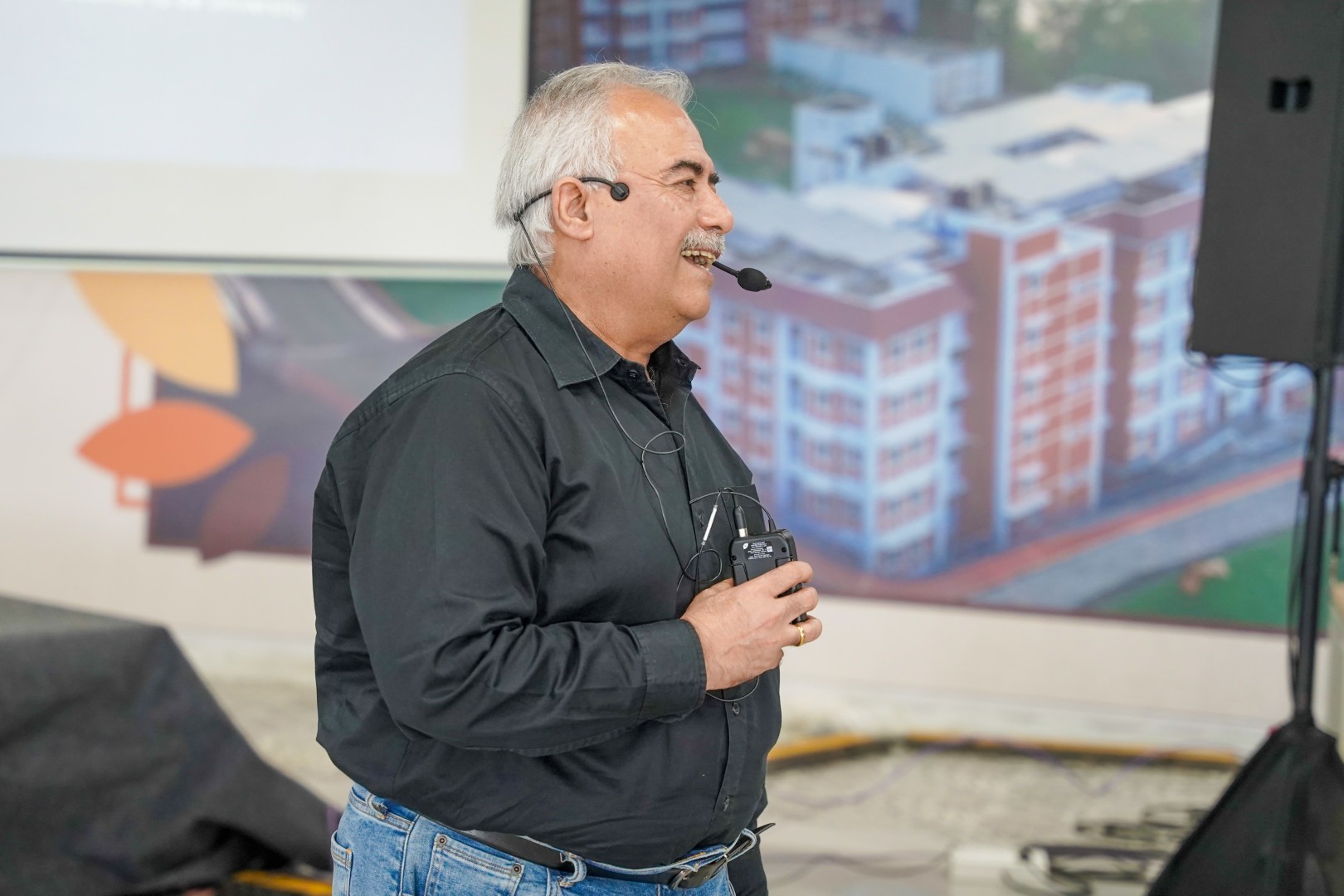
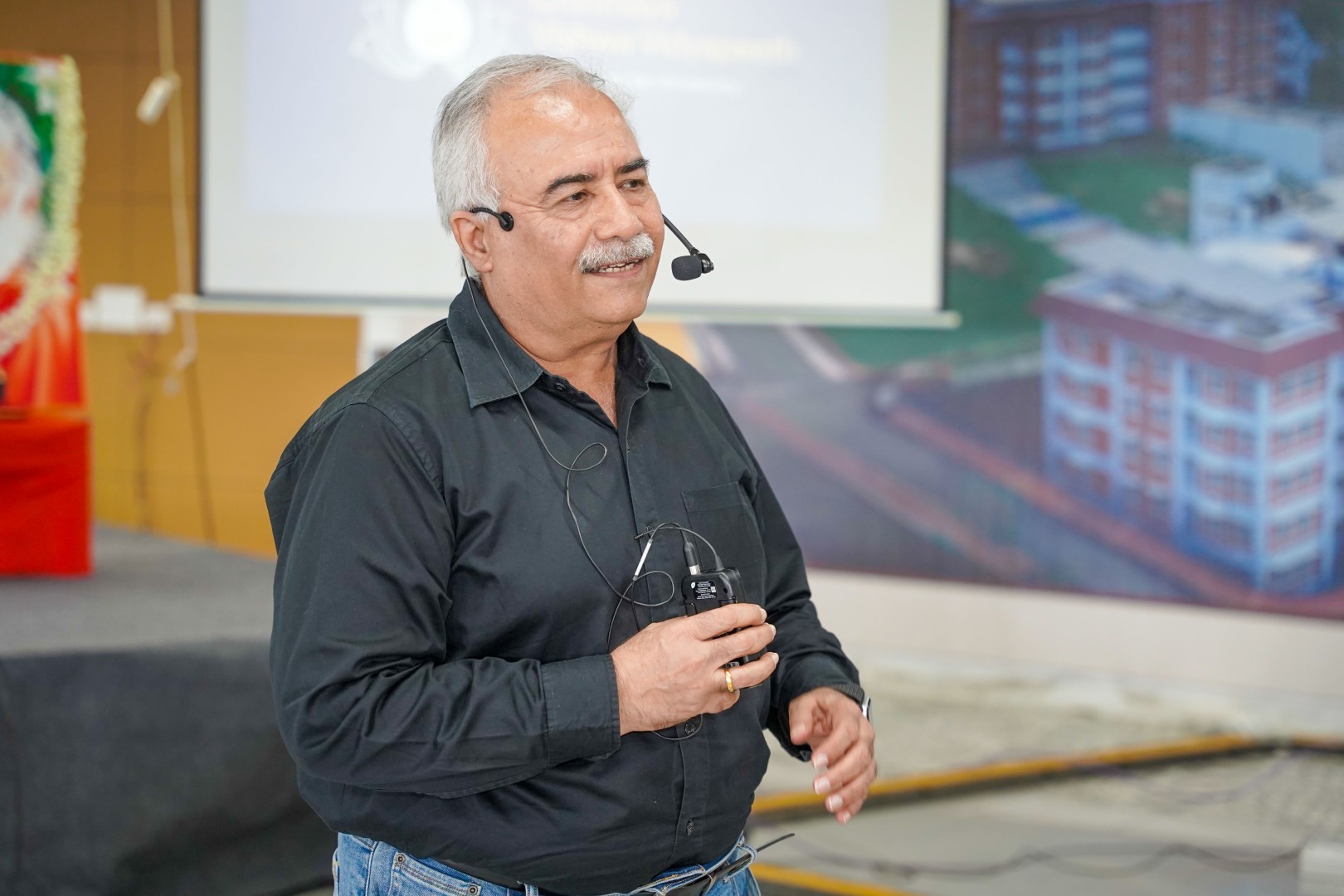
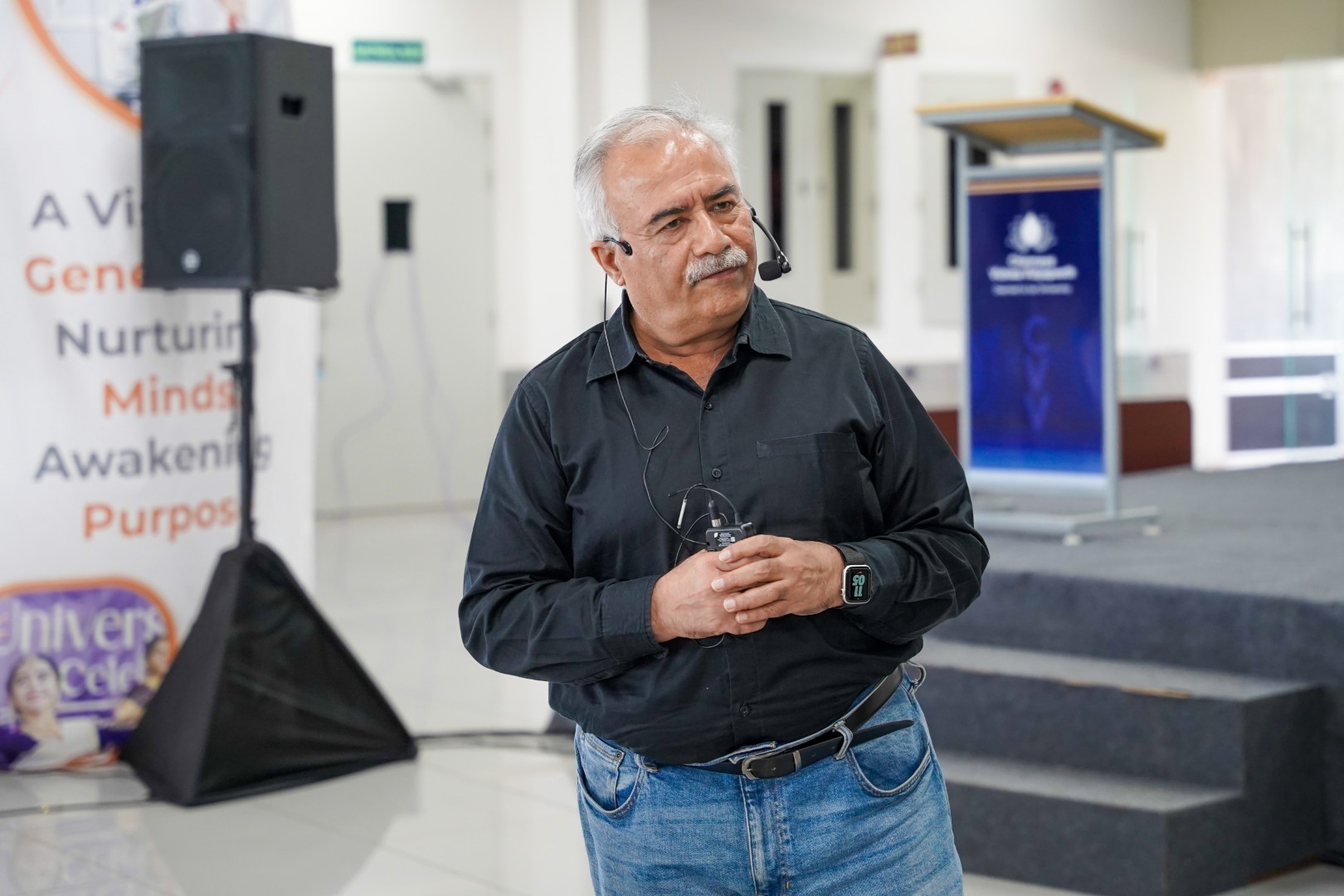
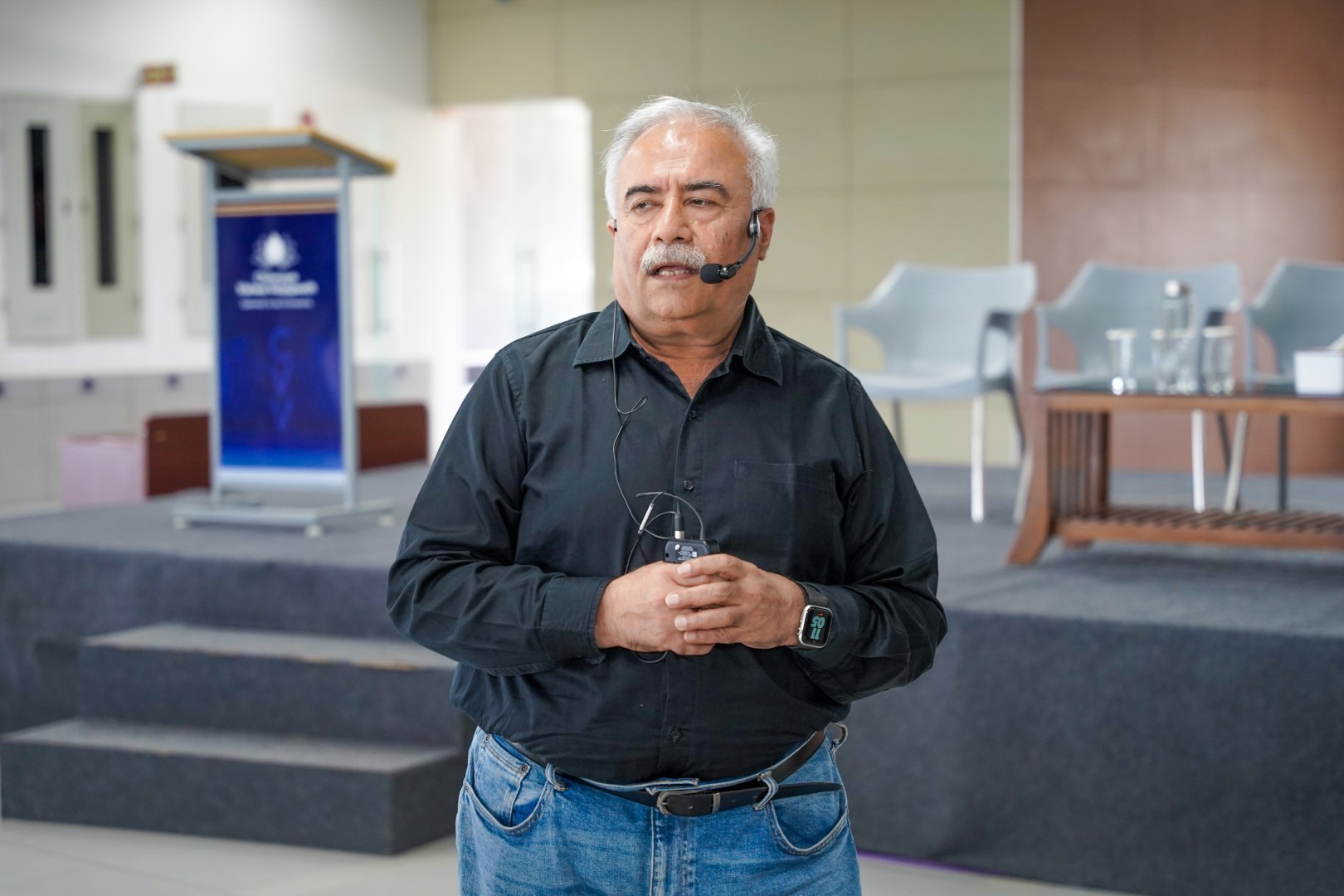
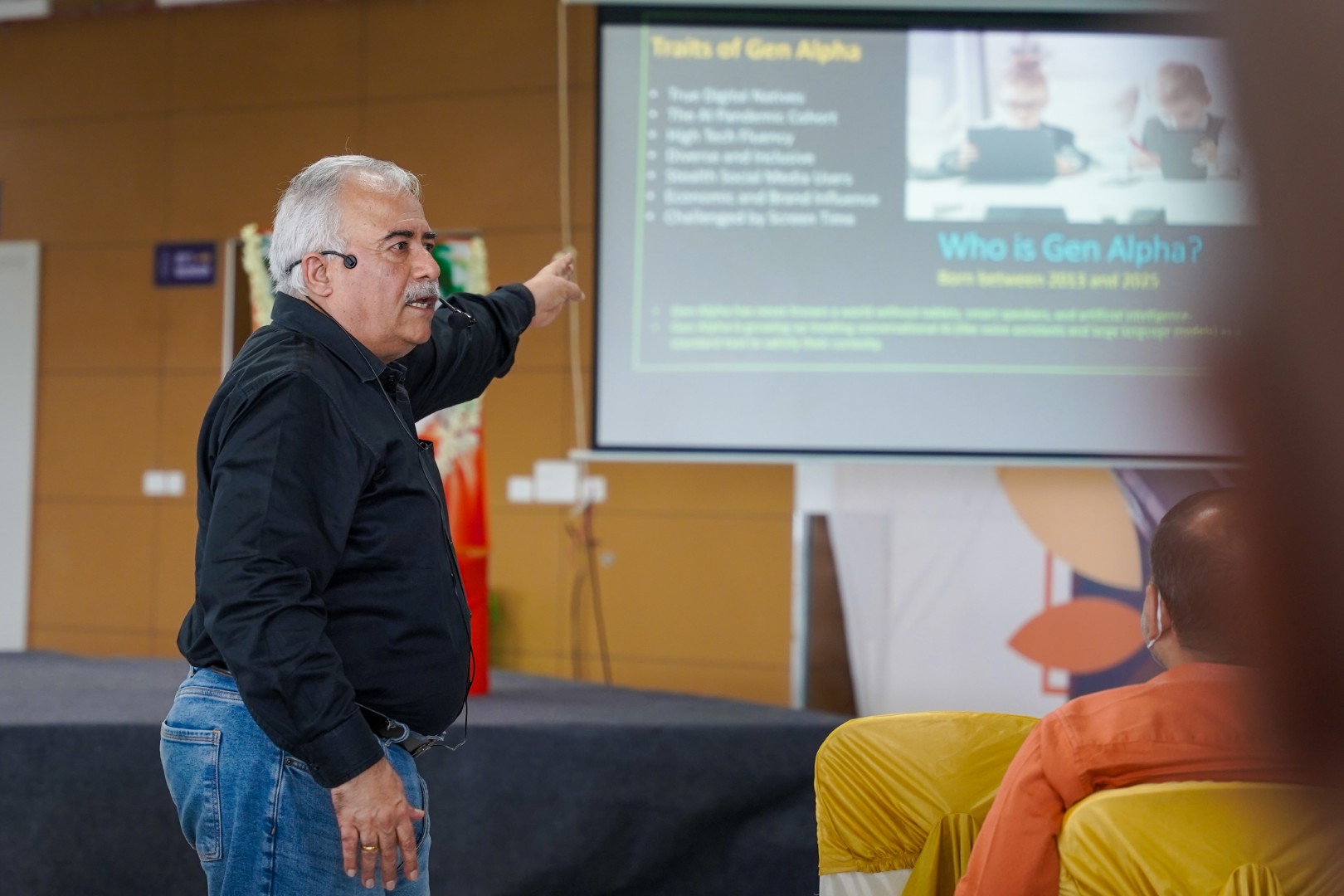
The session exclusively for faculty was led by Vice Chancellor Prof. Manoj Kumar Arora. He traced how Baby Boomers, Gen X, Millennials, Gen Z and Gen Alpha differ in the way they think, learn and engage. Today’s learners are digital natives, self-driven, collaborative, socially conscious and entrepreneurial, and many already turn to AI to learn and solve problems.
To teach this generation, Prof. Arora noted, teachers must go the extra mile to master emerging technologies, particularly artificial intelligence. They must also rethink how learning is assessed, since students today want to know why they are learning something and how it applies to the real world. He pointed to approaches such as project-based assessment, simulations and case studies, viva voce, peer reviews, and assessments that evaluate how students use AI ethically and responsibly.
Prof. Arora emphasised the adaptive and flexible nature of CVV’s revamped curricula. He also invited faculty to propose programmes they believe would benefit students, assuring them of the University’s support in making these happen.
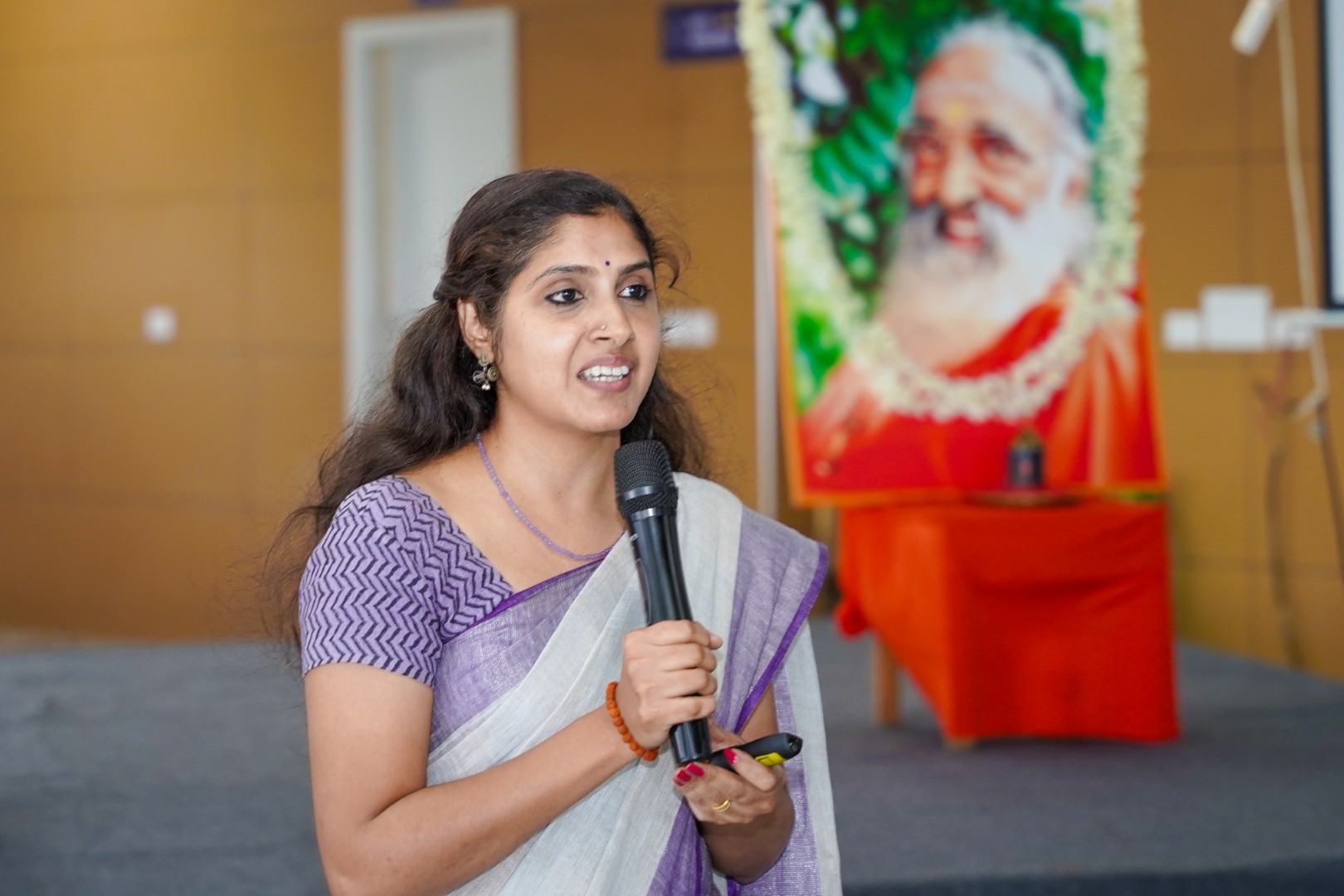
Dr. Abha Mohan, with Dr. Raisun Mathew, explained how the revamped curricula place experiential learning at the centre. She walked faculty through the NEP 2020 assessment paradigm, rubrics, and course assessment and evaluation under the new course outline. Faculty members shared how they have already brought the new system into their classrooms.
Dr. Anand H S discussed the opportunities and challenges AI brings to assessment, showing how thoughtful prompting can support tasks like preparing question papers, while stressing that every output must be checked by the teacher.
Prof. Dr. Anuradha Parasar offered an overview of the revamped curriculum and the importance of aligning course outcomes, learning experiences, and assessment.
Dr. Pramod Dinakar and Mr. Krishnakumaran Thampi, COE, guided faculty in framing clear, measurable course outcomes using Bloom’s Taxonomy and observable action verbs.
The programme concluded with a stream-wise workshop, where faculty began redesigning their course outlines using the new format. Together, the sessions reflected CVV’s commitment to education that is rooted in values, responsive to a changing world, and centred on the learner