
Workshop on Acceptance and Commitment Therapy (ACT) Explored through the Lens of Indian Psychology

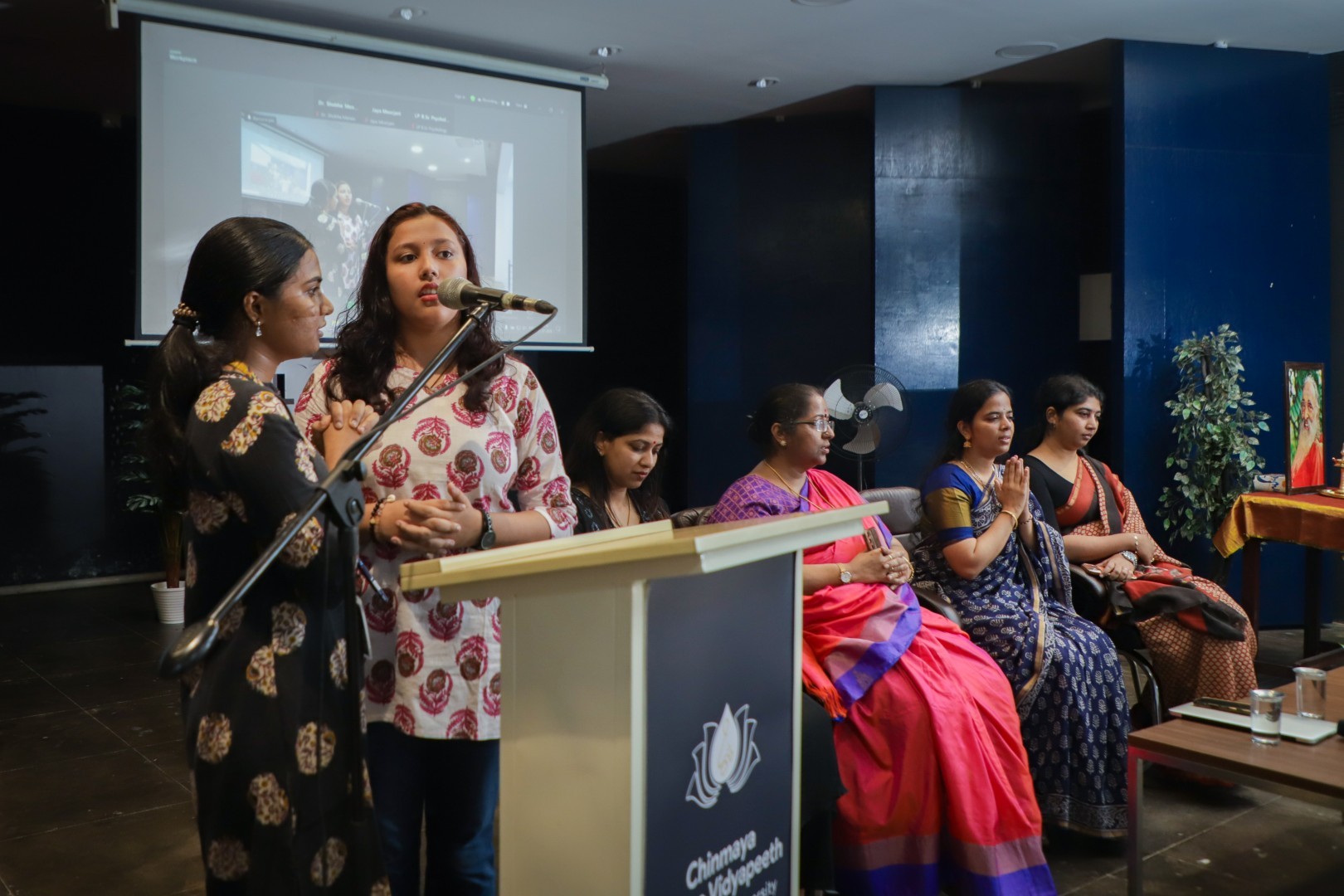
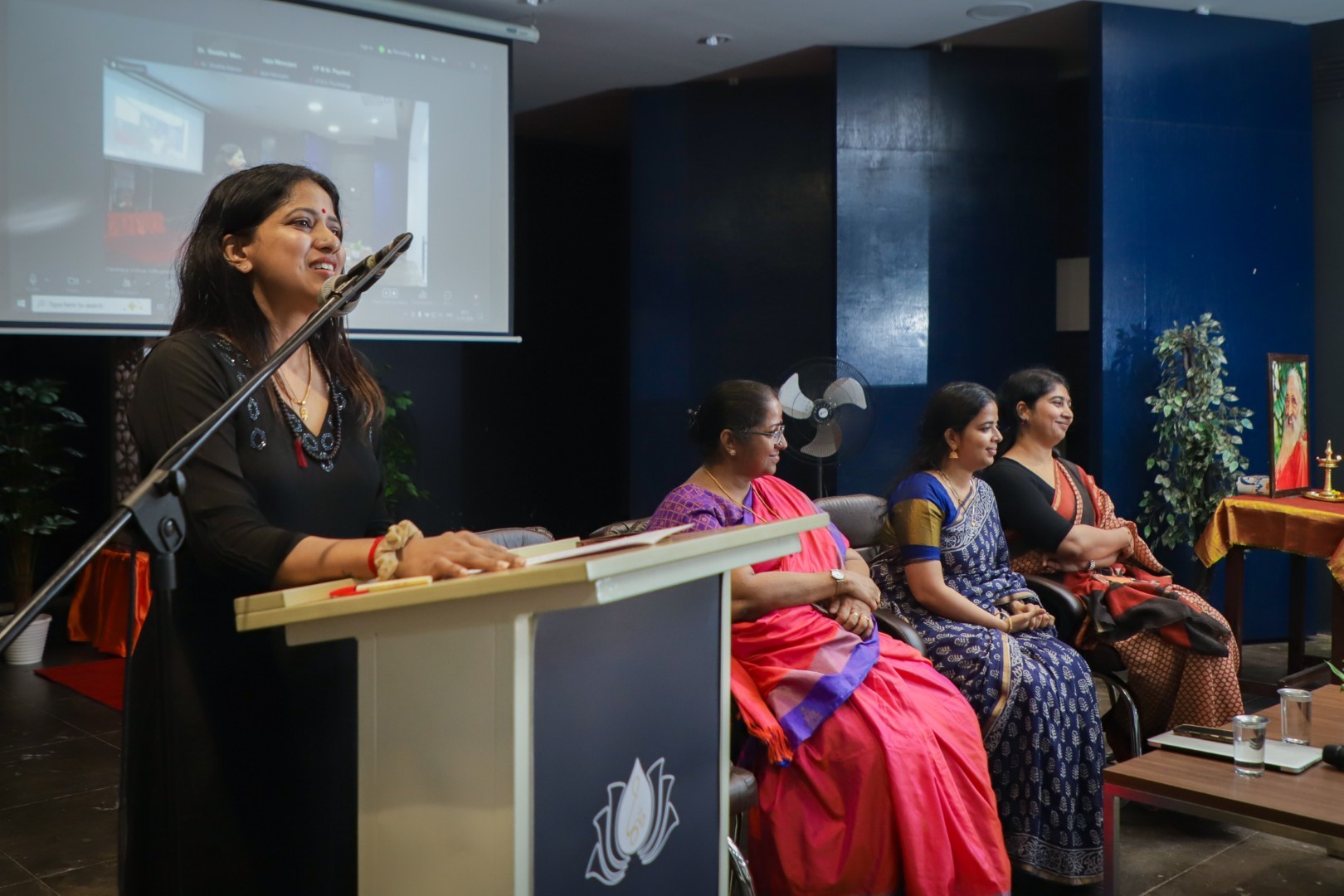


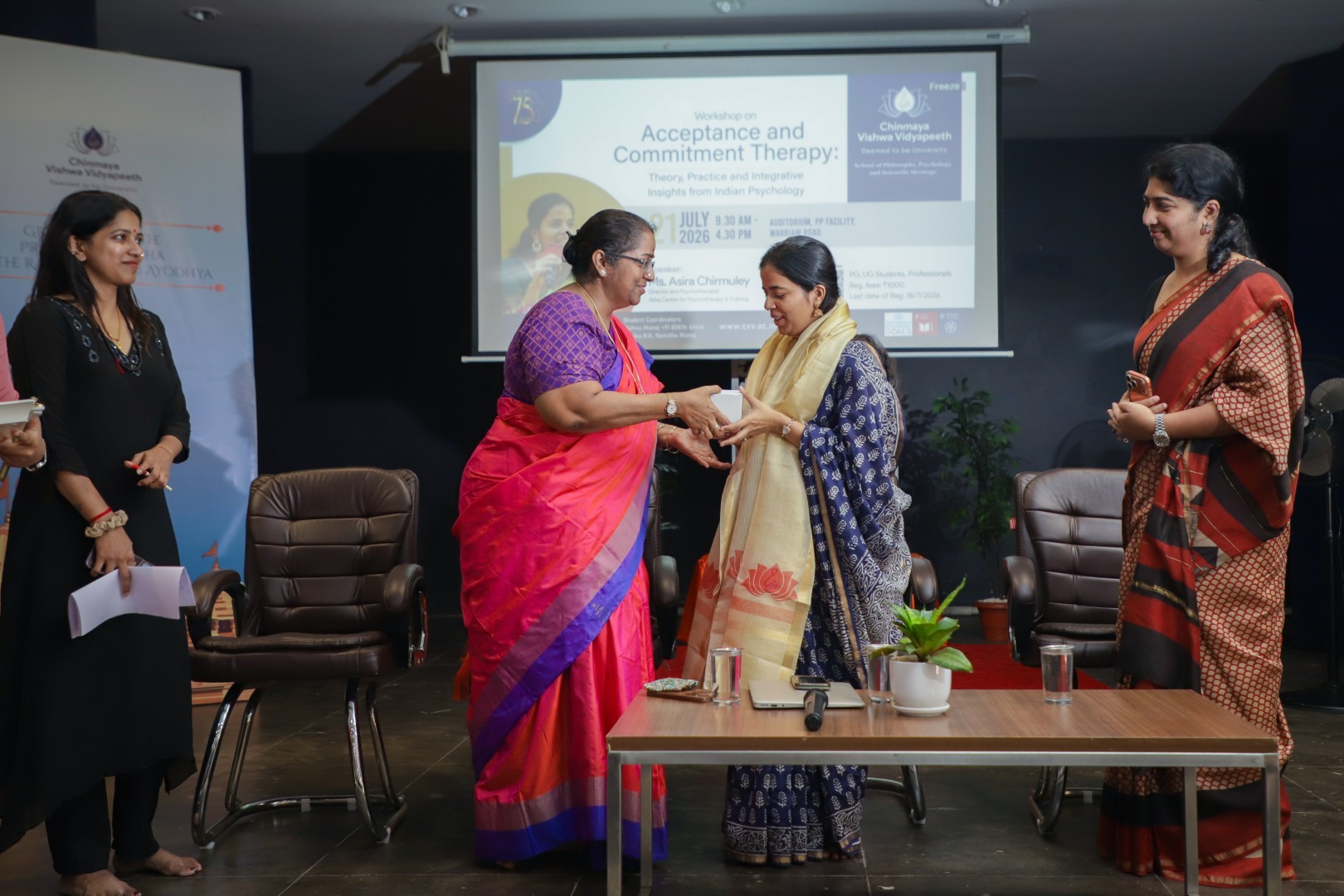
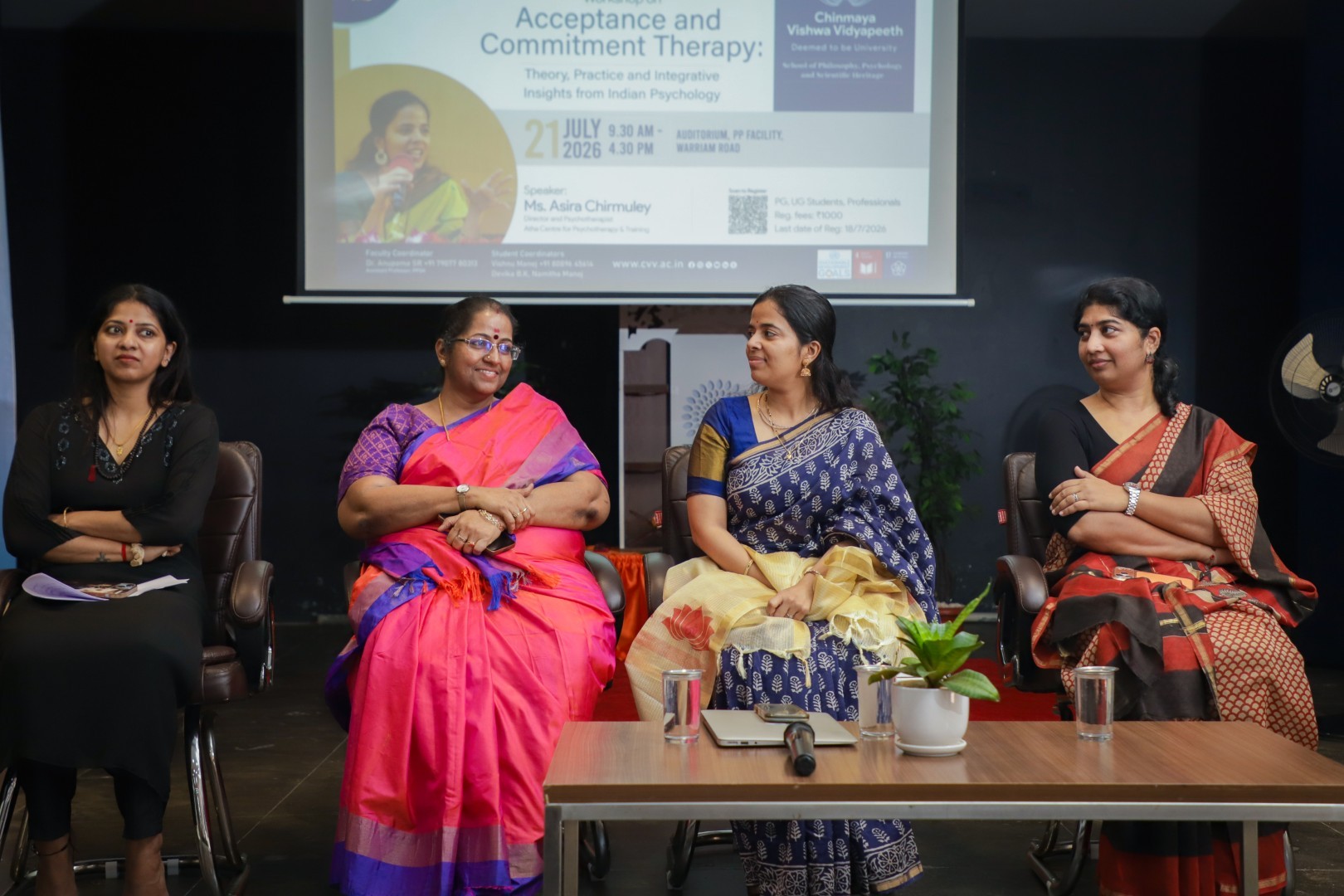
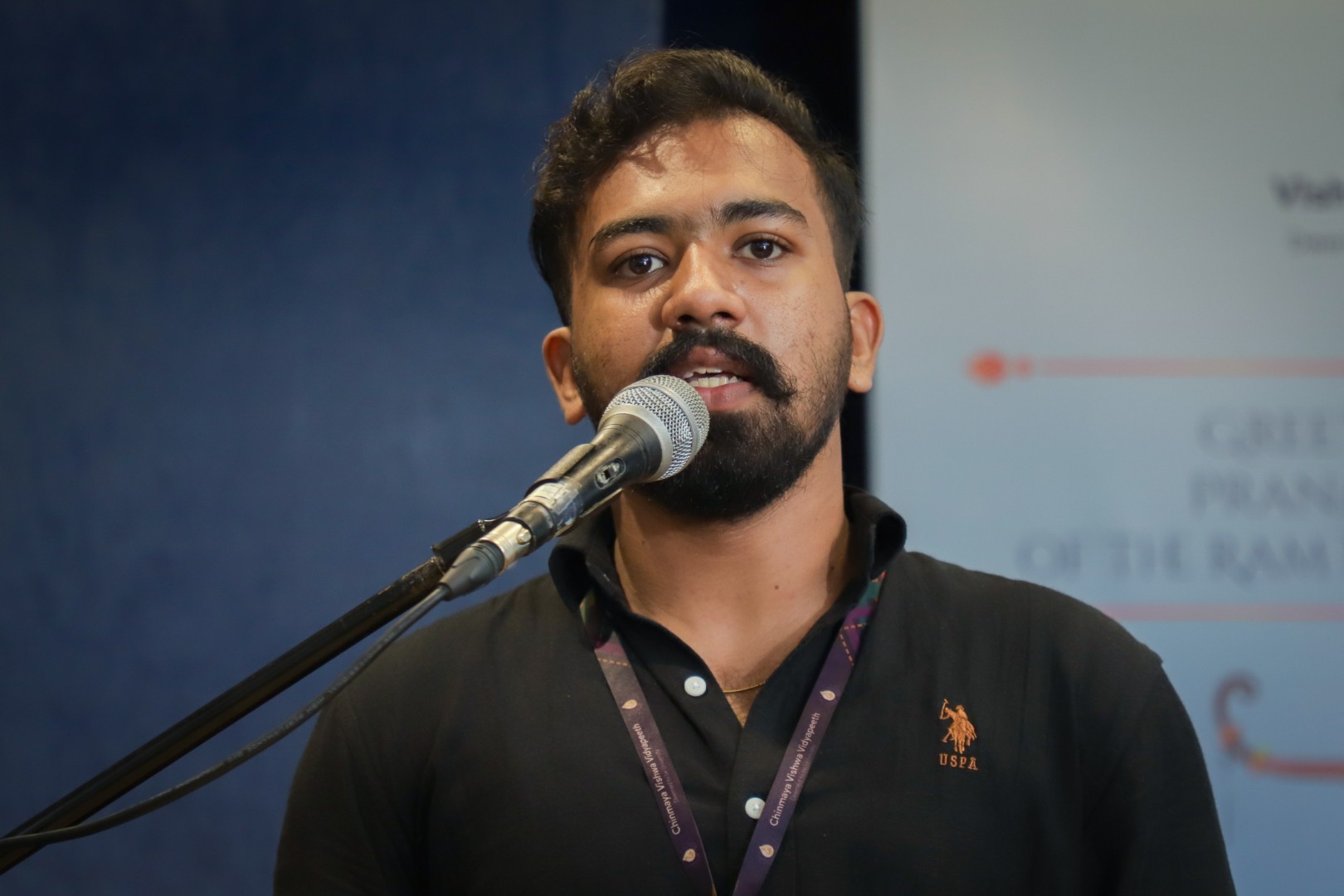
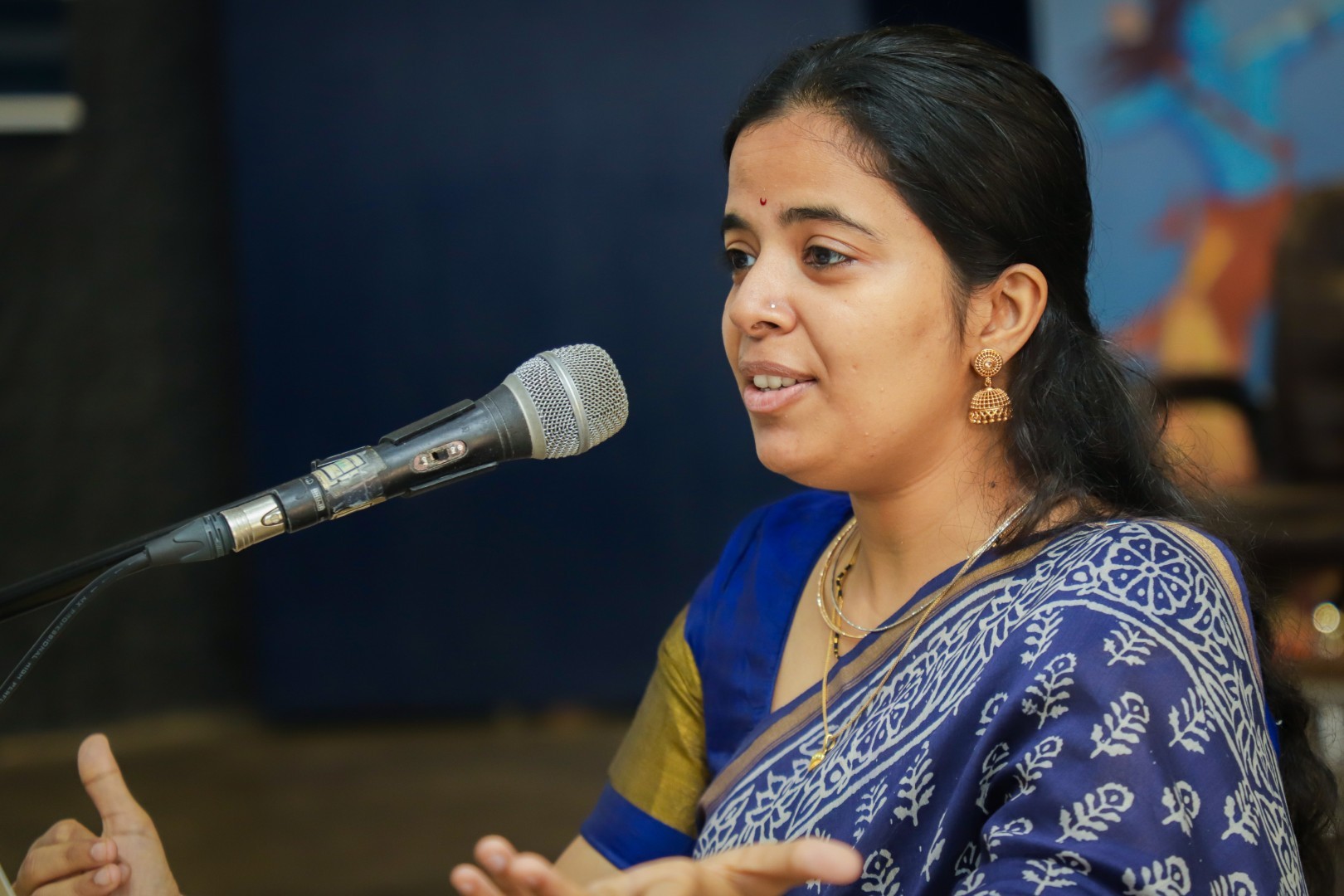
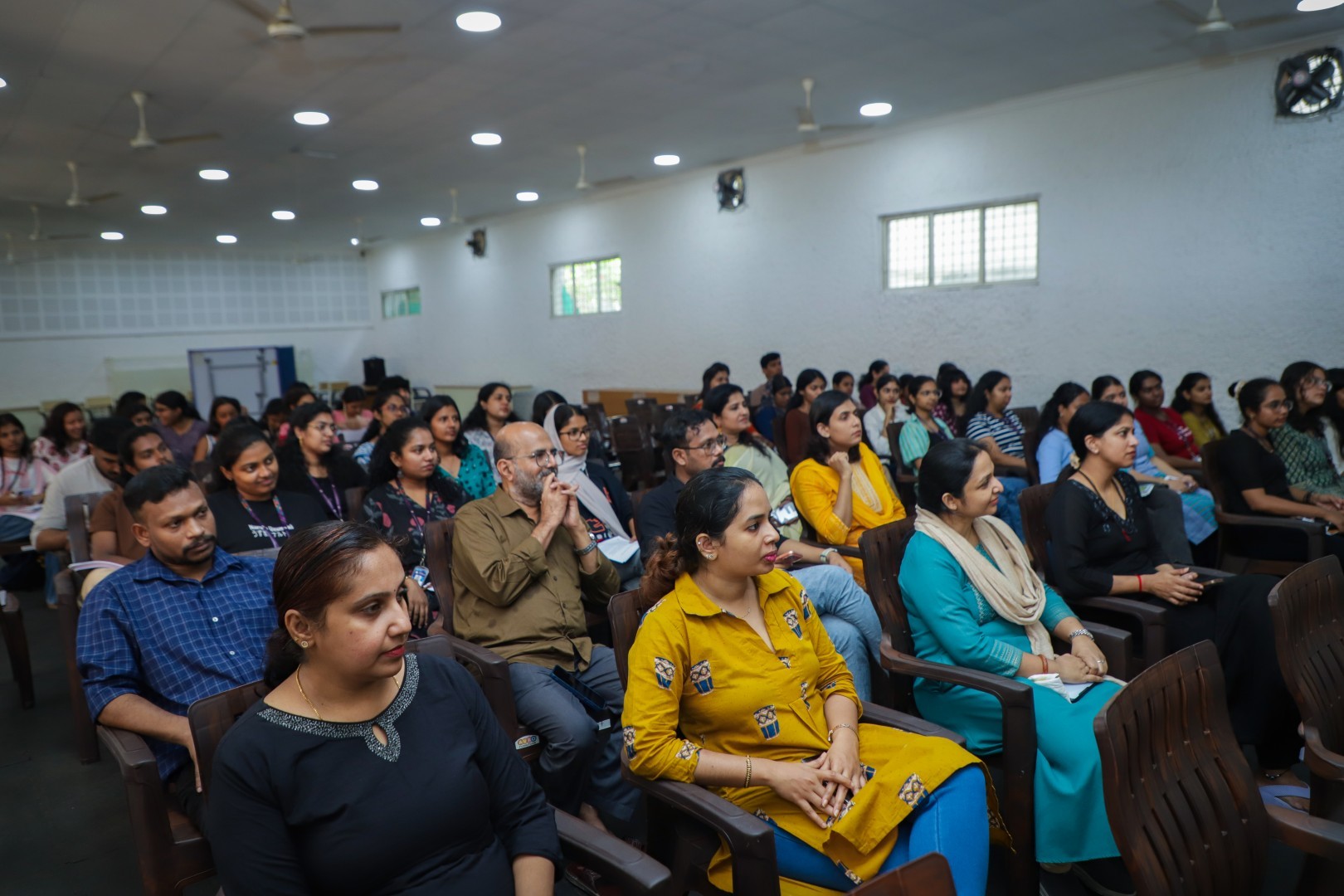
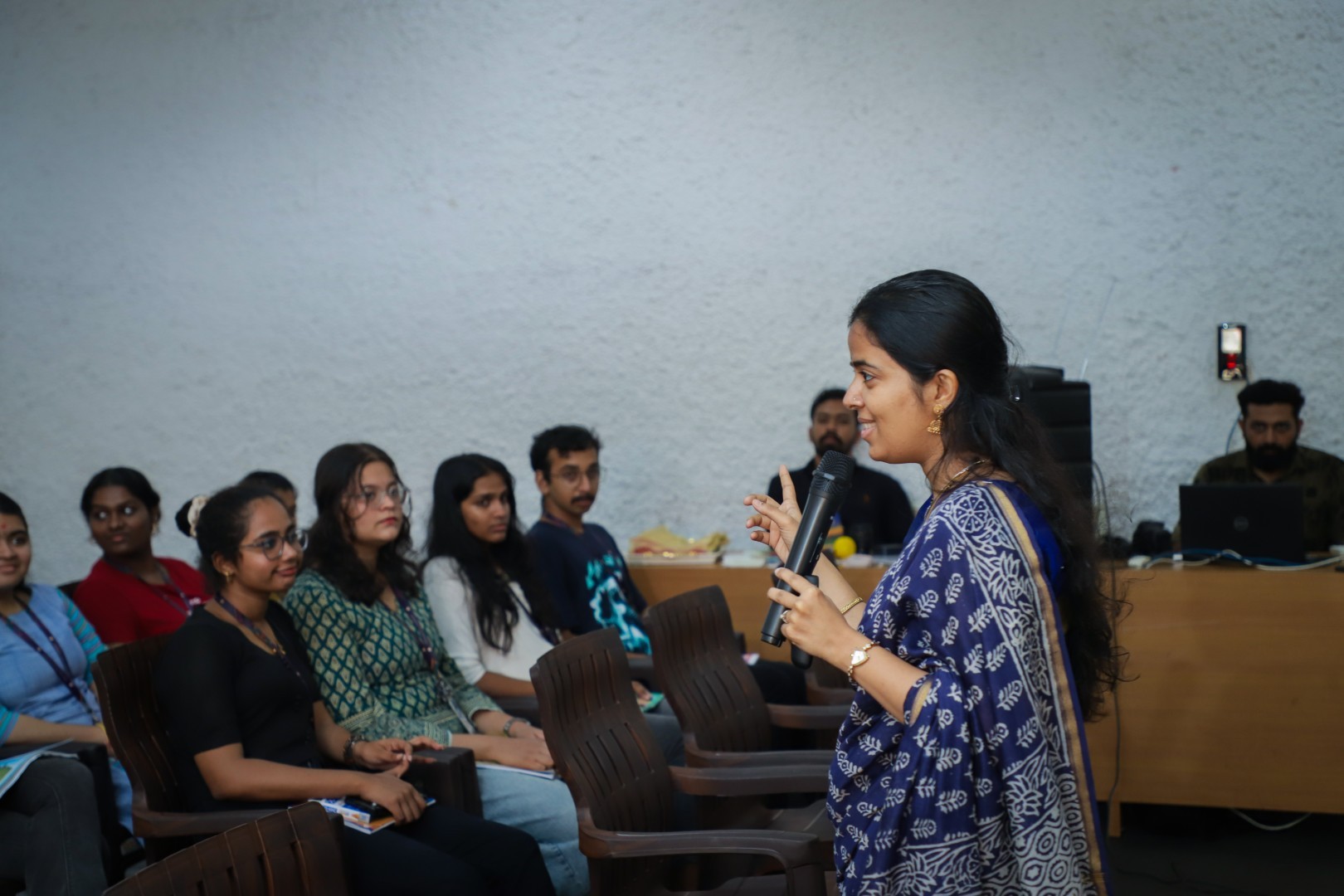

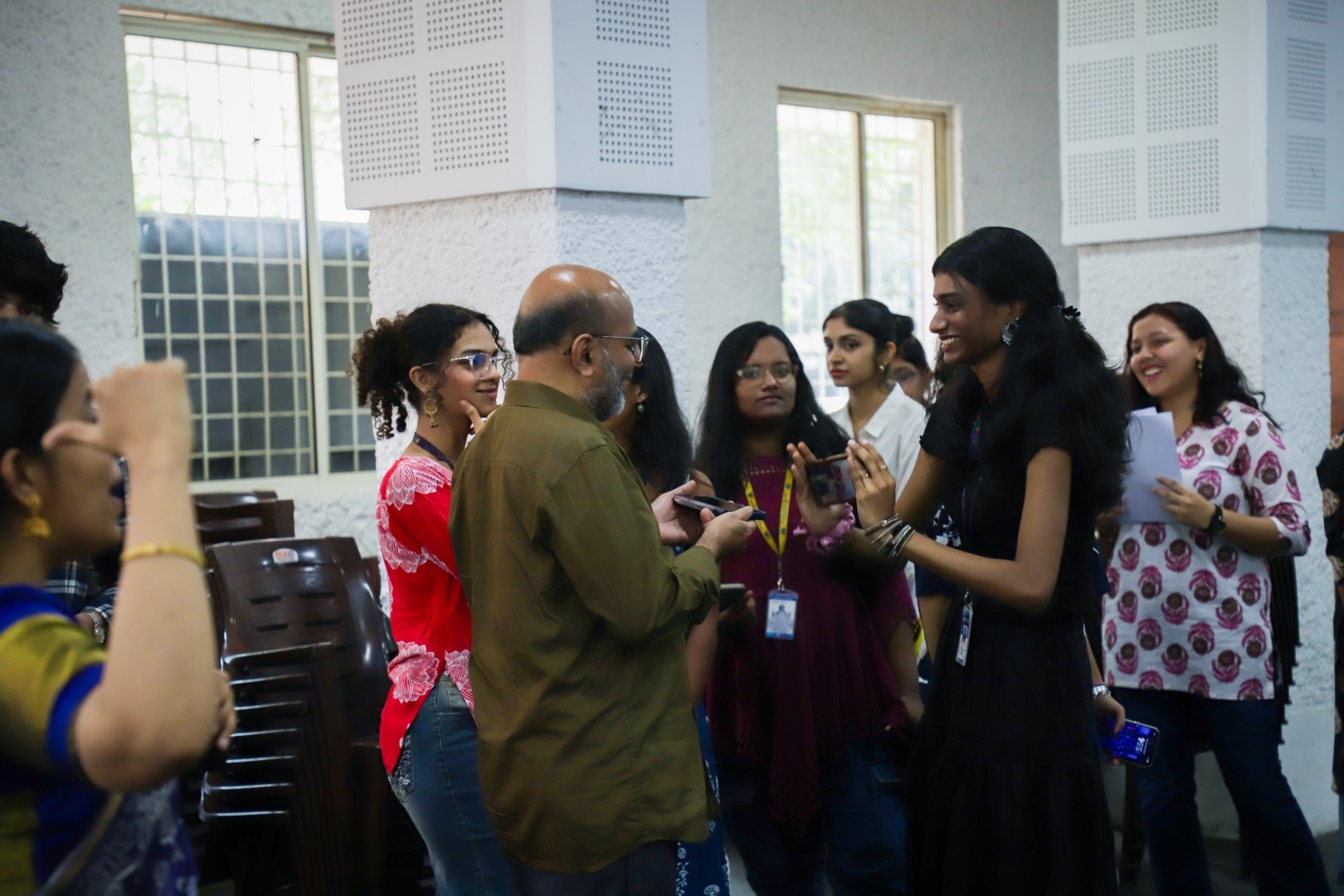

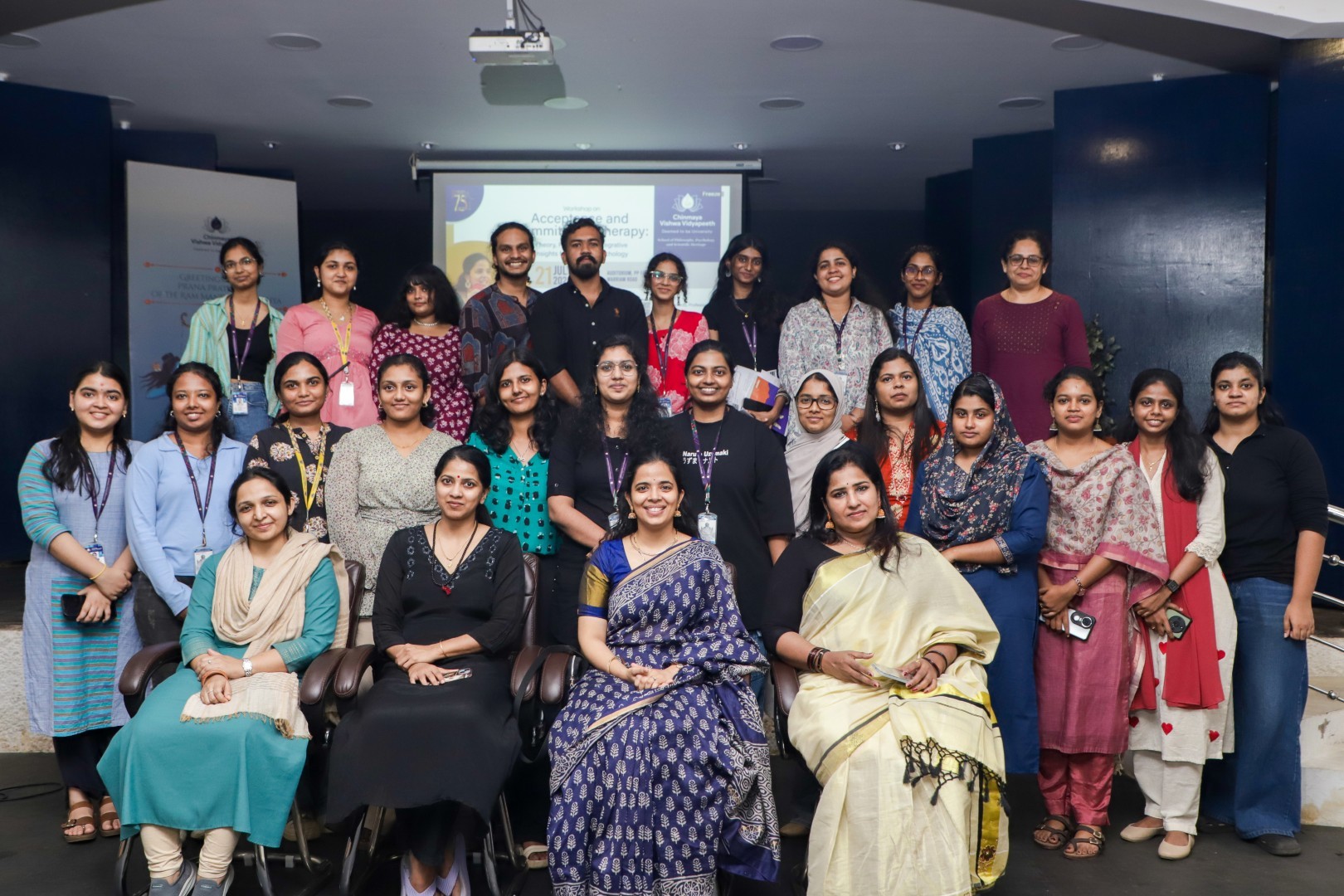
The School of Philosophy, Psychology and Scientific Heritage (PPSH) at Chinmaya Vishwa Vidyapeeth successfully organized a one-day workshop on Acceptance and Commitment Therapy (ACT): Theory, Practice and Integrative Insights from Indian Psychology.
The event saw the presence of Ms. Asira Chirmuley, members of the University Leadership team and faculty members, alongside a very enthusiastic audience, all of whom underscored the critical importance of synthesizing contemporary psychotherapeutic practices with the rich wisdom of Indian psychological traditions.
Dr. Ammu G. Nair, Head of the School of Philosophy, Psychology, and Scientific Heritage in her address articulated the University’s steadfast commitment to advancing holistic mental health education and promoting interdisciplinary learning.
The workshop attracted a diverse cohort of approximately 80 delegates, comprising undergraduate and postgraduate students, faculty members, mental health professionals, and psychology aficionados from Mumbai, Chinmaya Vishwa Vidyapeeth, and an array of colleges throughout the Ernakulam district. The technical sessions featured Ms. Chirmuley, who delivered a series of compelling and insightful presentations on the theoretical underpinnings and practical applications of Acceptance and Commitment Therapy (ACT).
She elucidated its six core processes—acceptance, cognitive defusion, present-moment awareness, self-as-context, values clarification, and committed action—through a combination of experiential activities, relatable examples, case illustrations, mindfulness practices, role plays, and spirited group discussions.
The integration of ACT principles with facets of Indian Psychology allowed participants to cultivate a nuanced understanding of psychological flexibility, values-based living, and holistic well-being. This framework equipped them with applicable therapeutic strategies relevant to clinical, educational, counseling, and organizational contexts.
Throughout the workshop, attendees actively engaged in reflective discussions and contributed to an interactive question-and-answer session, which provided a fitting conclusion to the technical program.
In sum, the workshop was a remarkable success, offering participants profound learning experiences, practical therapeutic skills, and an enhanced appreciation for Acceptance and Commitment Therapy and its integration with Indian Psychology in advancing contemporary mental health and well-being.