
Faculty Win Best Paper Award at IIT Roorkee Conference
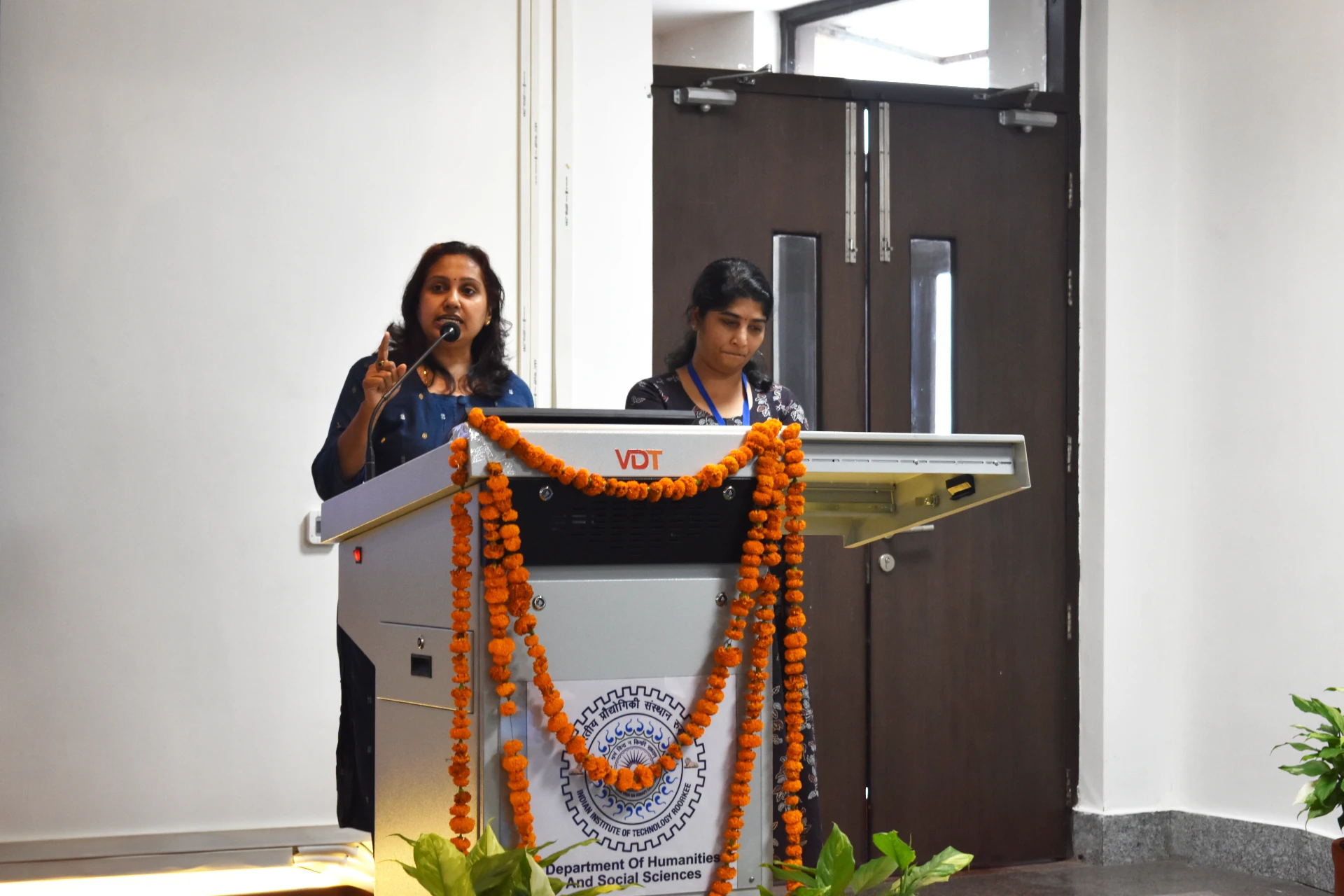
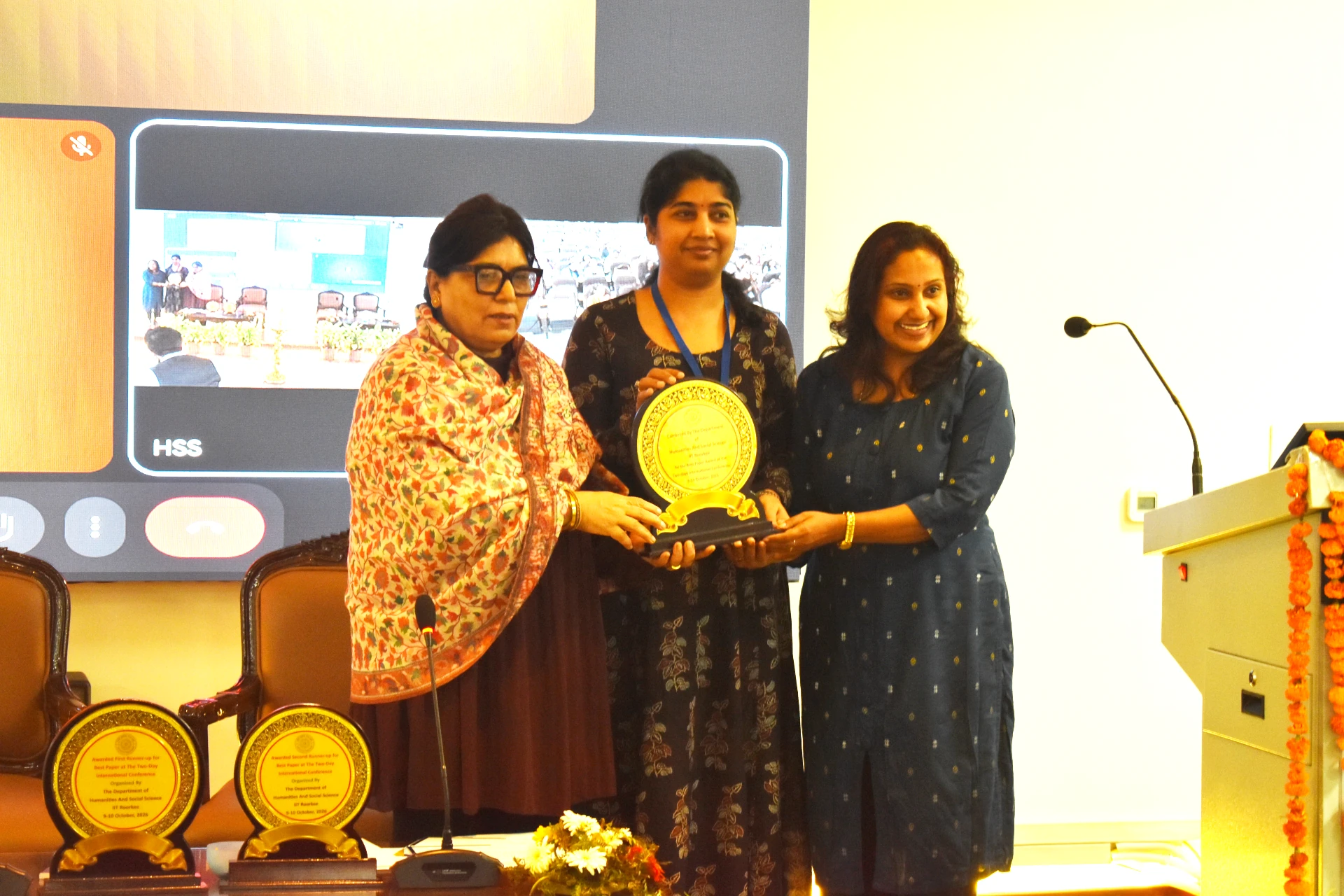
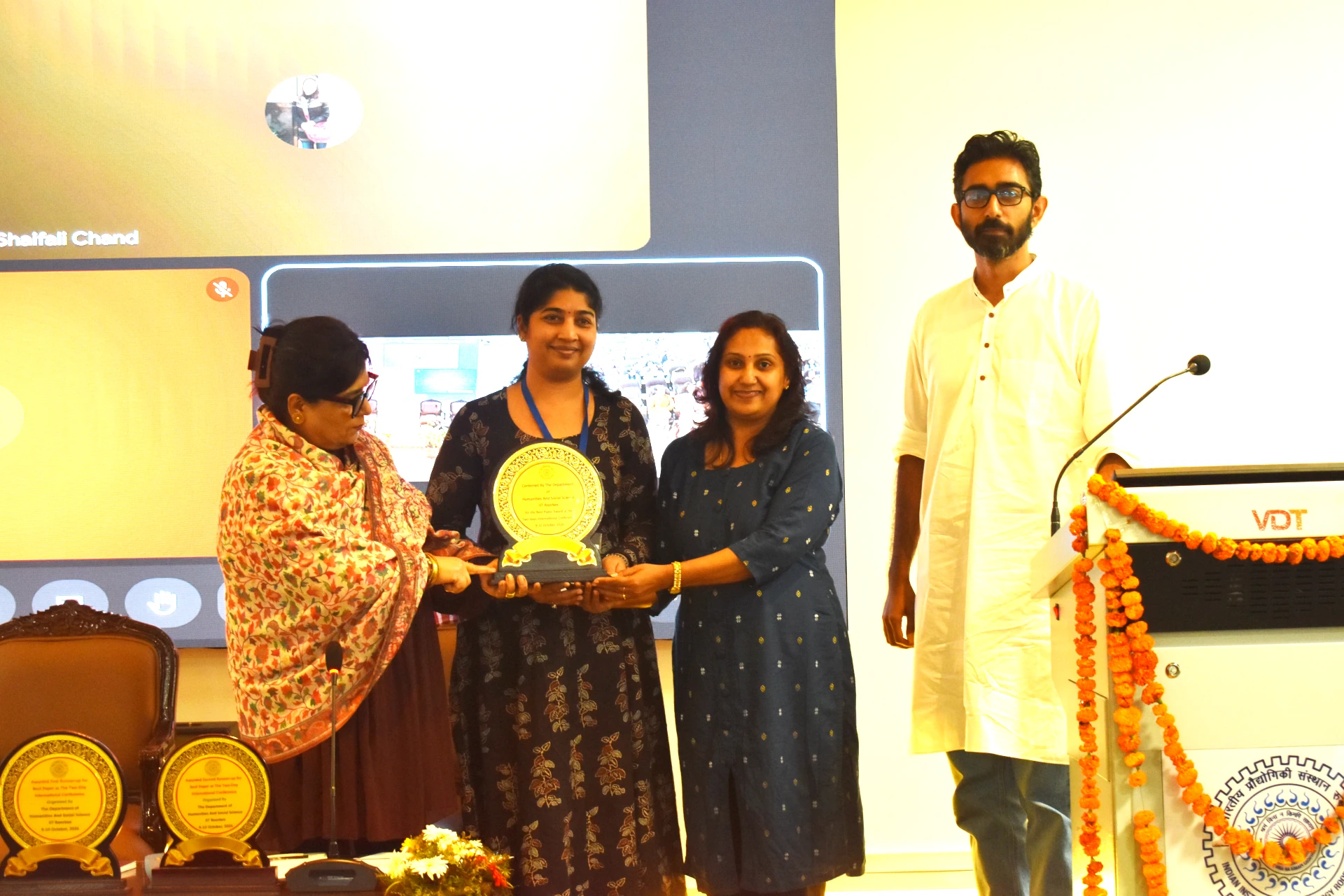
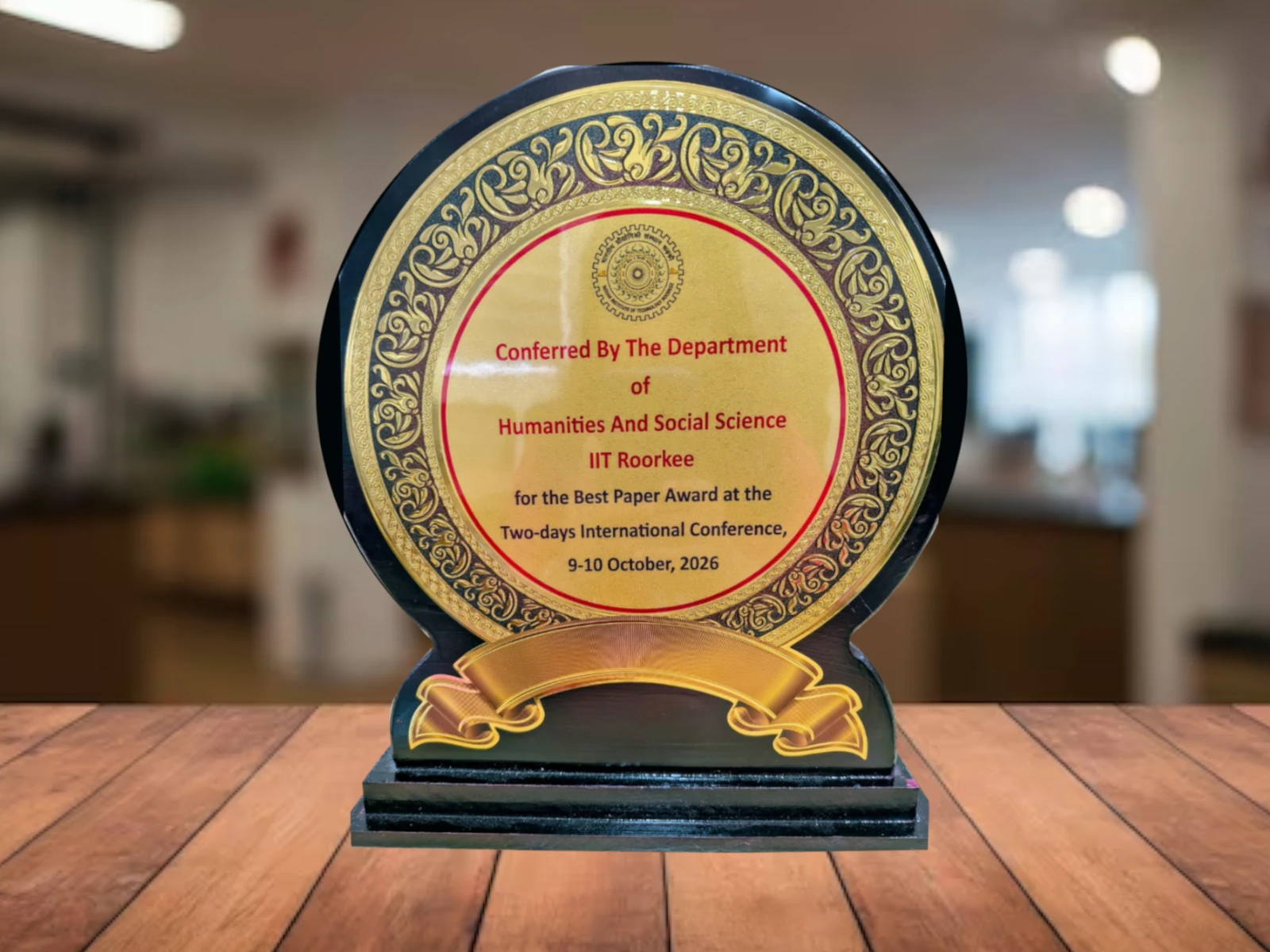
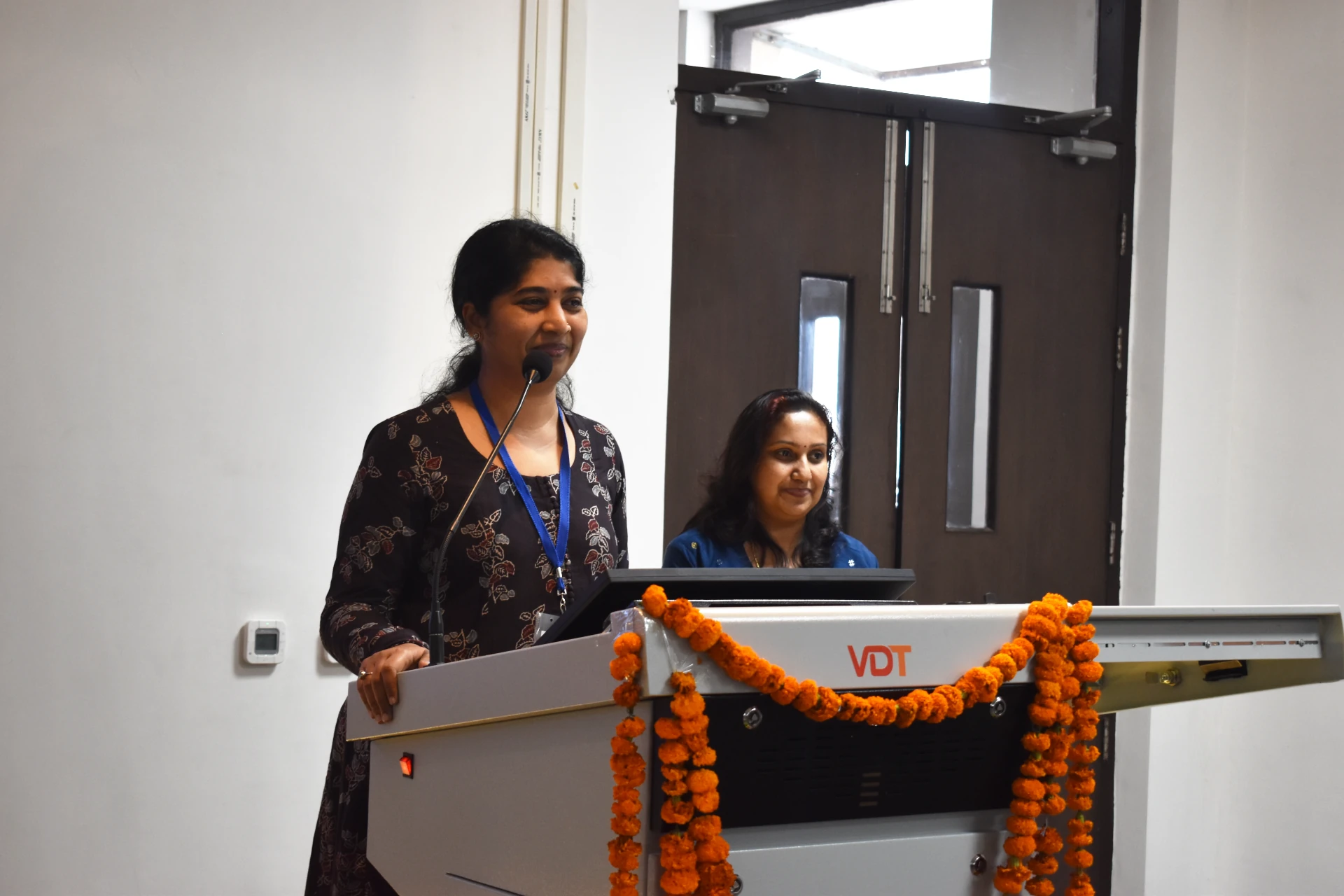
Chinmaya Vishwa Vidyapeeth is delighted to share that Dr. Ammu G. Nair and Dr. Nita Joseph, Assistant Professors at the School of Philosophy, Psychology and Scientific Heritage, have been honoured with the Best Paper Award at the conference “Empowering Humanities and Social Sciences,” organised by the Department of Humanities and Social Sciences, Indian Institute of Technology (IIT) Roorkee, on October 9-10, 2026.
Their award-winning paper “From Doubt to Dialogue: Student Experiences of Questioning” explores why students hesitate to speak up or stay silent in class. It looks at how classroom environments, rather than just personality, shape a student’s willingness to ask questions, share opinions, or admit confusion.
Through student interviews, the researchers studied psychological factors like self-confidence, fear of judgment, and emotional safety to find common patterns. The goal was to discover what makes students feel uncomfortable to participate actively and what factors can be effectively added to make them comfortable to actively interact in classrooms.
The study also aligns these experiences with the student-centred goals of India’s National Education Policy (NEP 2020) to help turn classroom doubts into meaningful discussions. If classrooms are still not perceived as psychologically safe spaces despite years of efforts to align with the expectations of NEP, the researchers state that it is imperative to critically reflect on and revisit the underlying factors that continue to hinder the creation of a safe, inclusive, and supportive learning environment.
Following publication, Dr. Ammu and Dr. Nita plan to translate their insights into action by designing and conducting training sessions for school teachers. These sessions will help educators recognise common barriers to student questioning and share practical strategies to cultivate an open, question-friendly culture in younger classrooms.
“We are honoured to receive the Best Paper Award. Our study highlights how vital student questioning is for an inclusive classroom. Going forward, we hope to publish our findings and design training sessions for school teachers to nurture a question-friendly culture in younger classrooms,” said Dr. Ammu and Dr. Nita.
The recognition is a tribute to the scholarly contribution of the two faculty members. It also highlights the importance of creating inclusive and engaging learning environments in higher education, where questions and doubts encourage discussion and understanding.